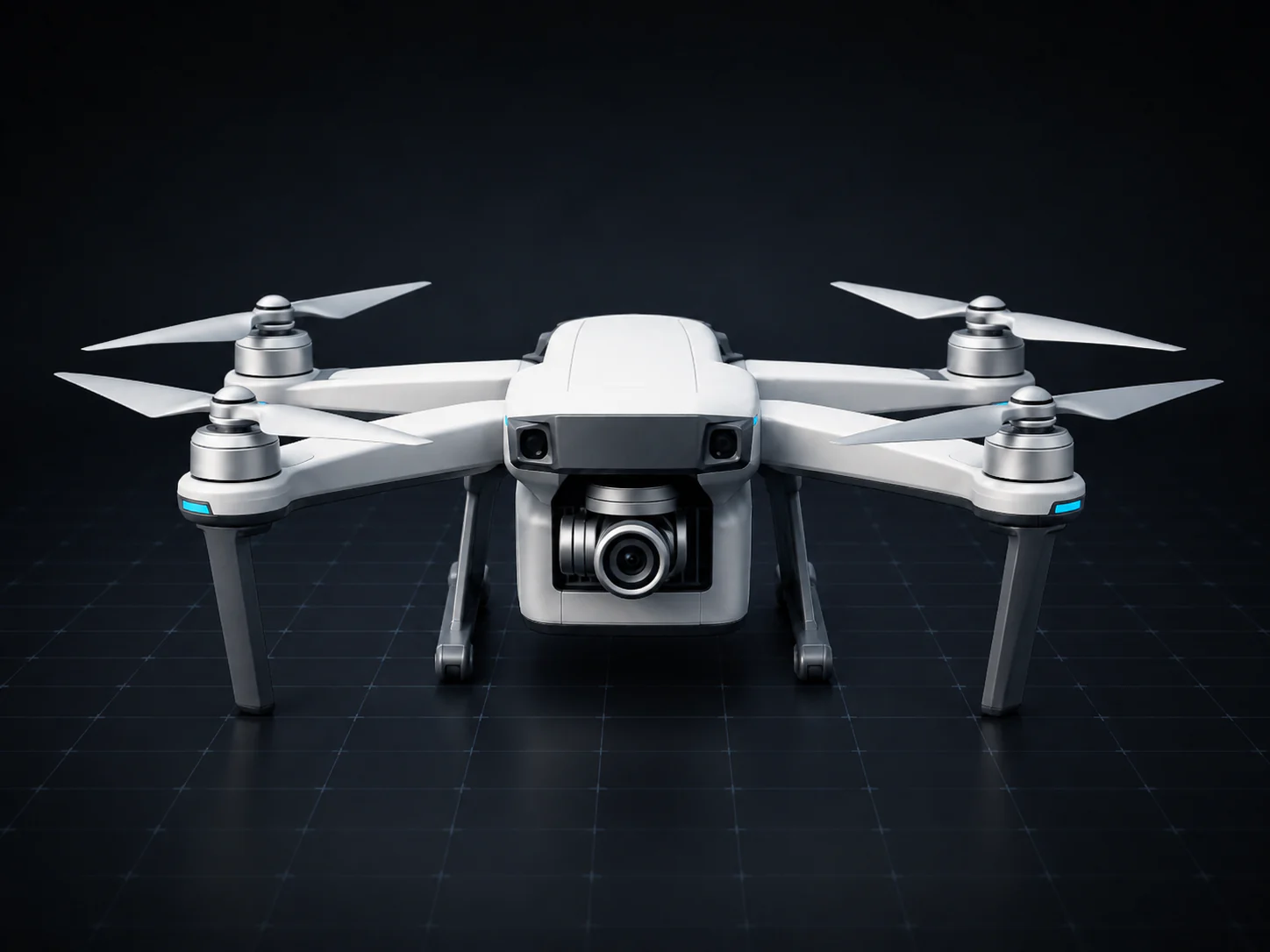
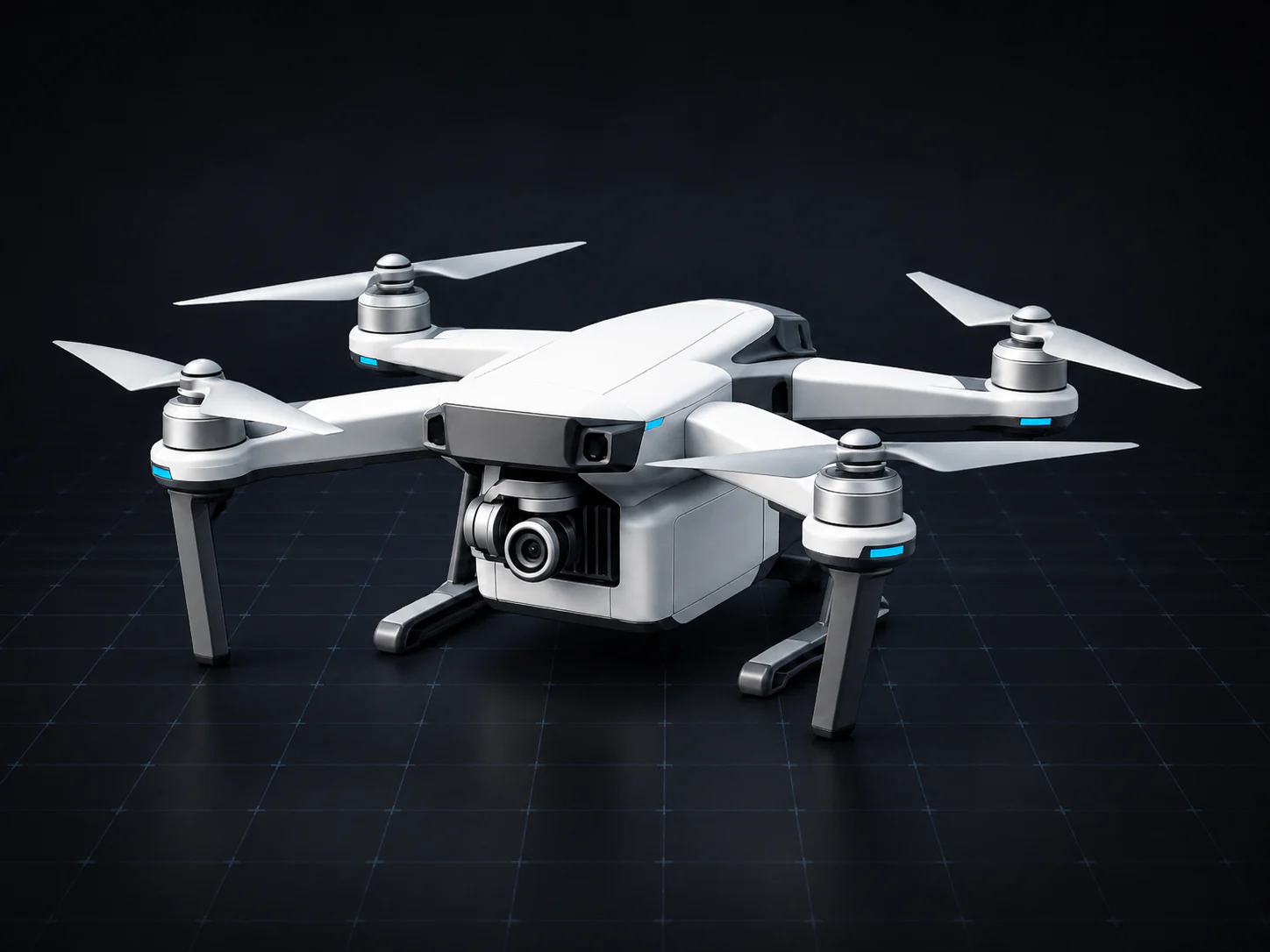
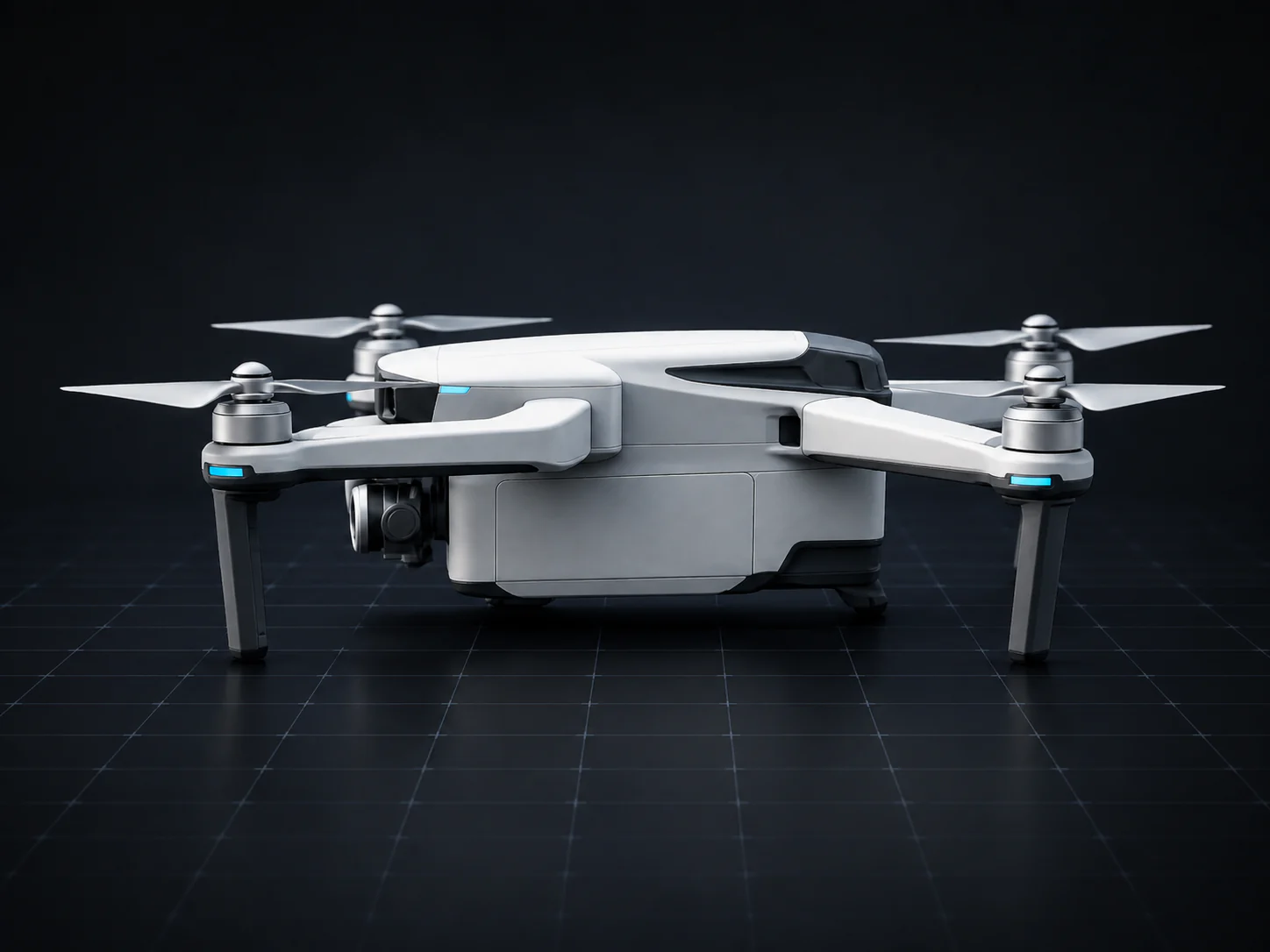
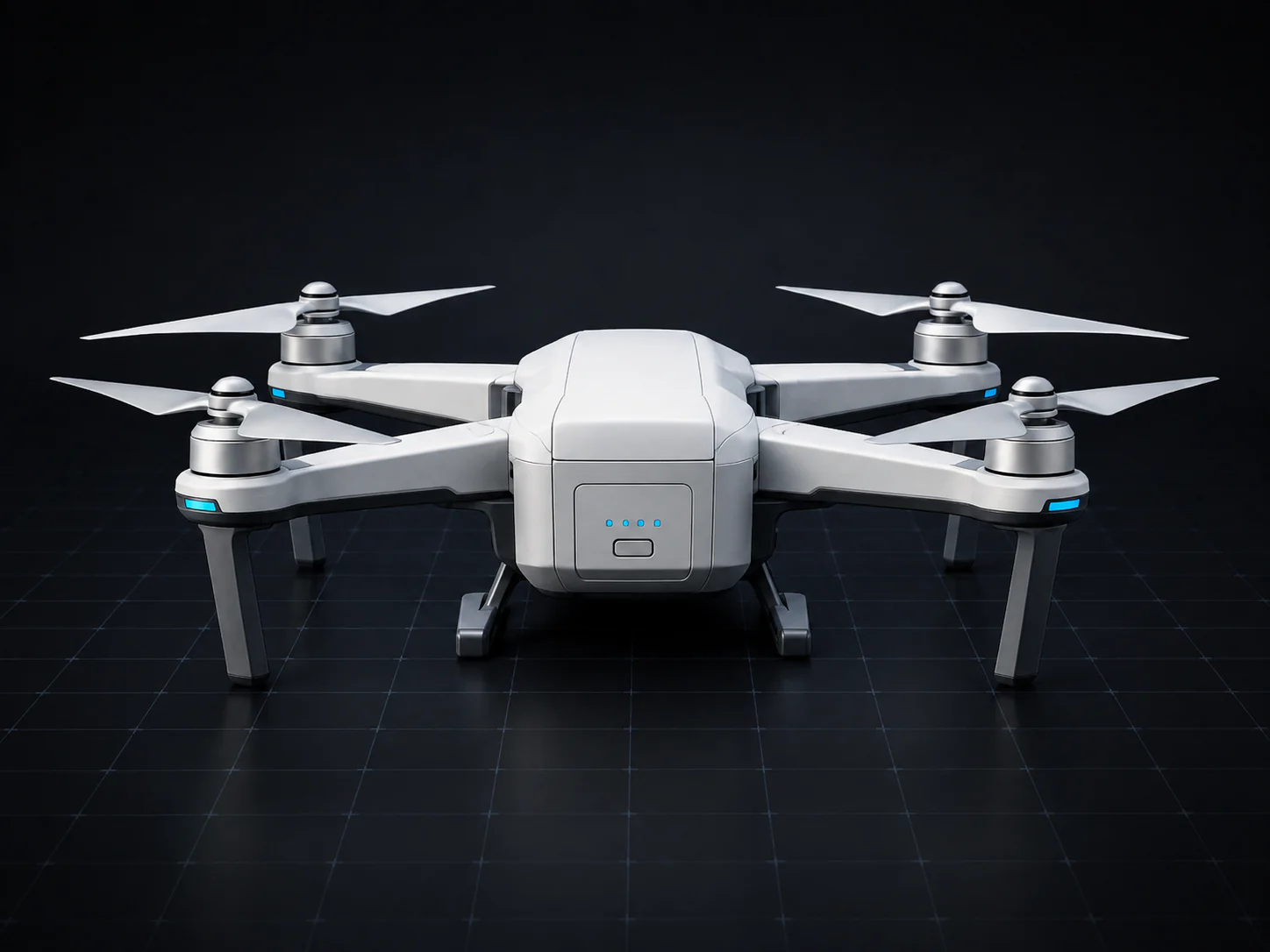
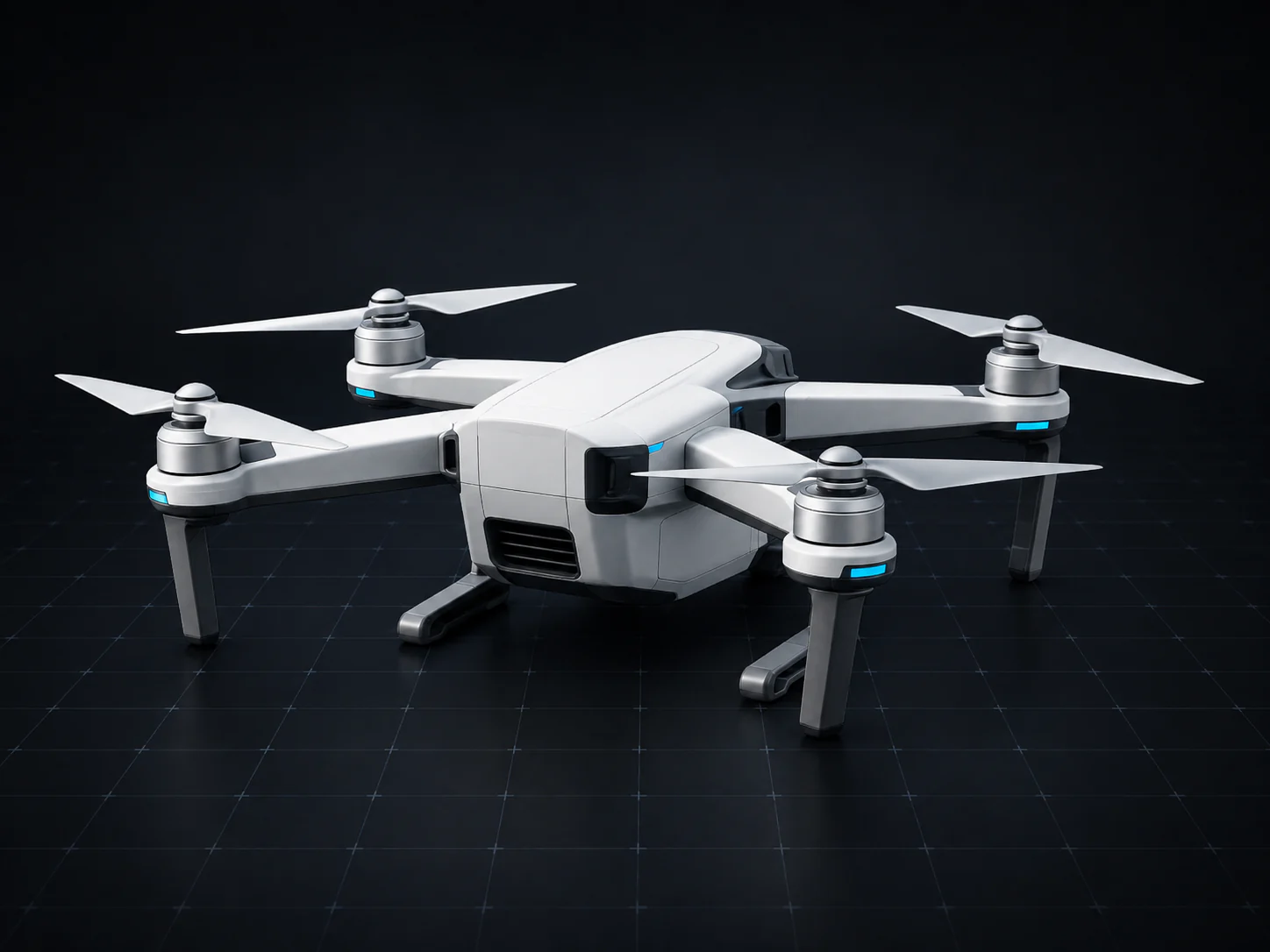
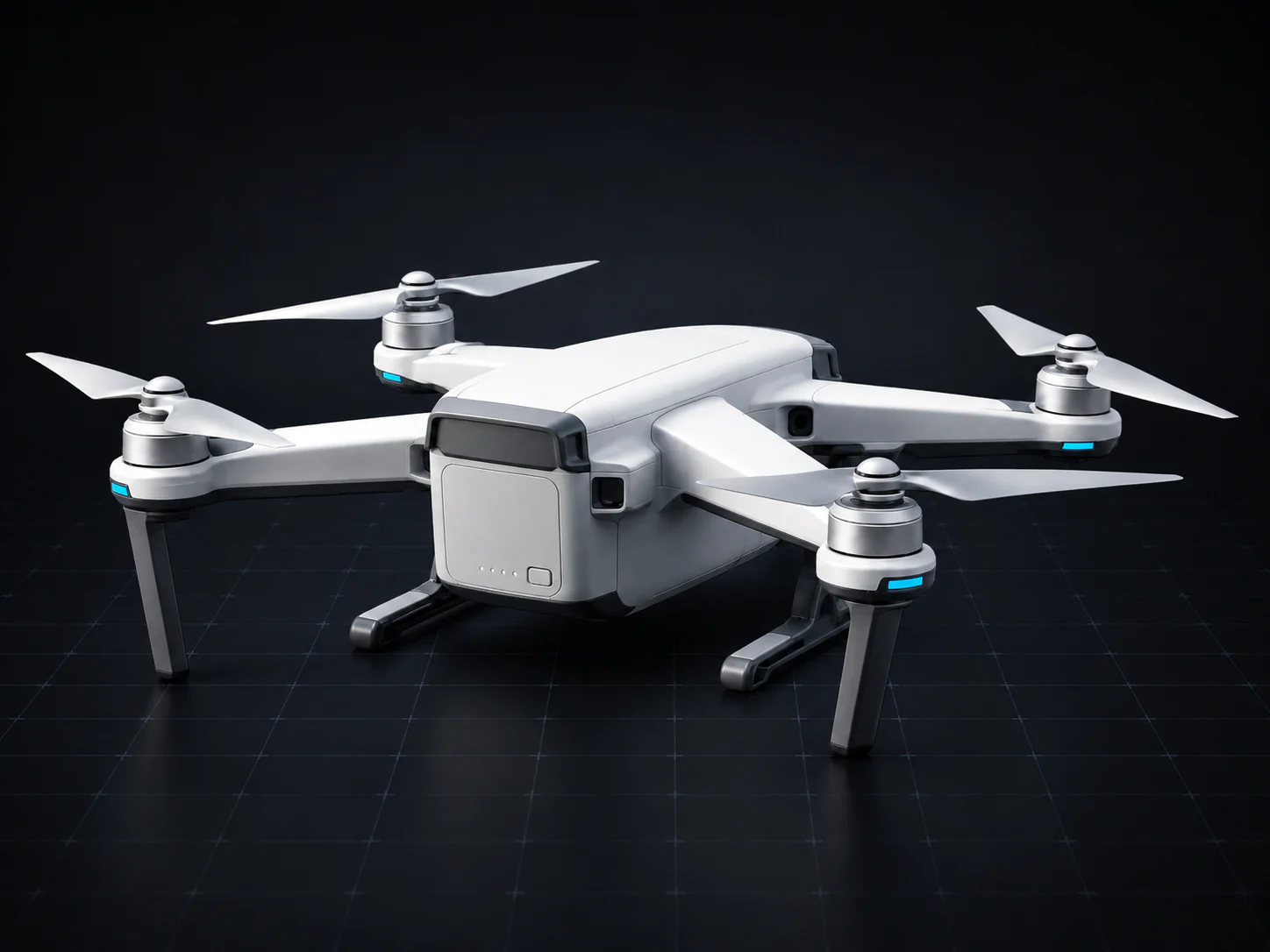
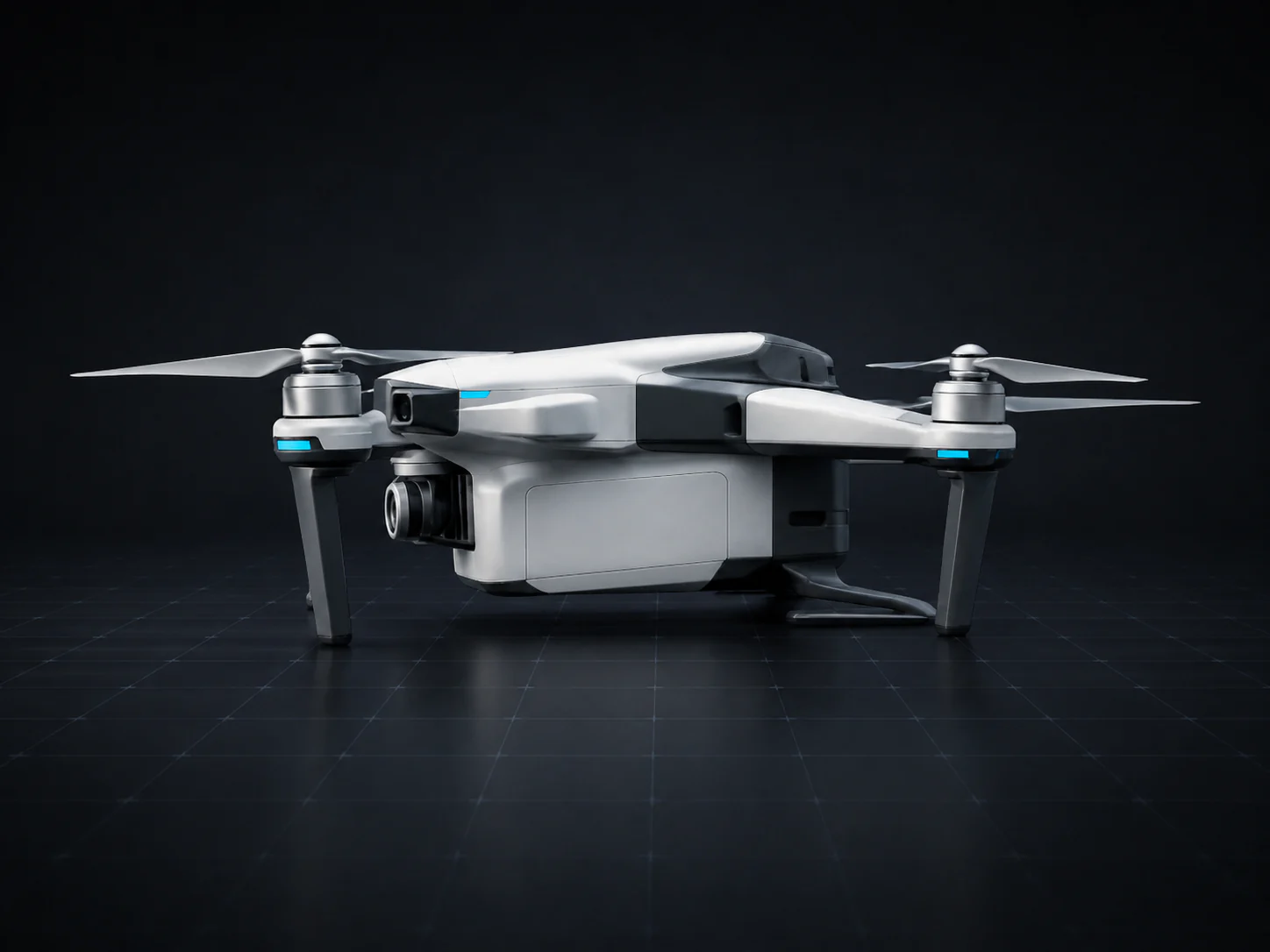
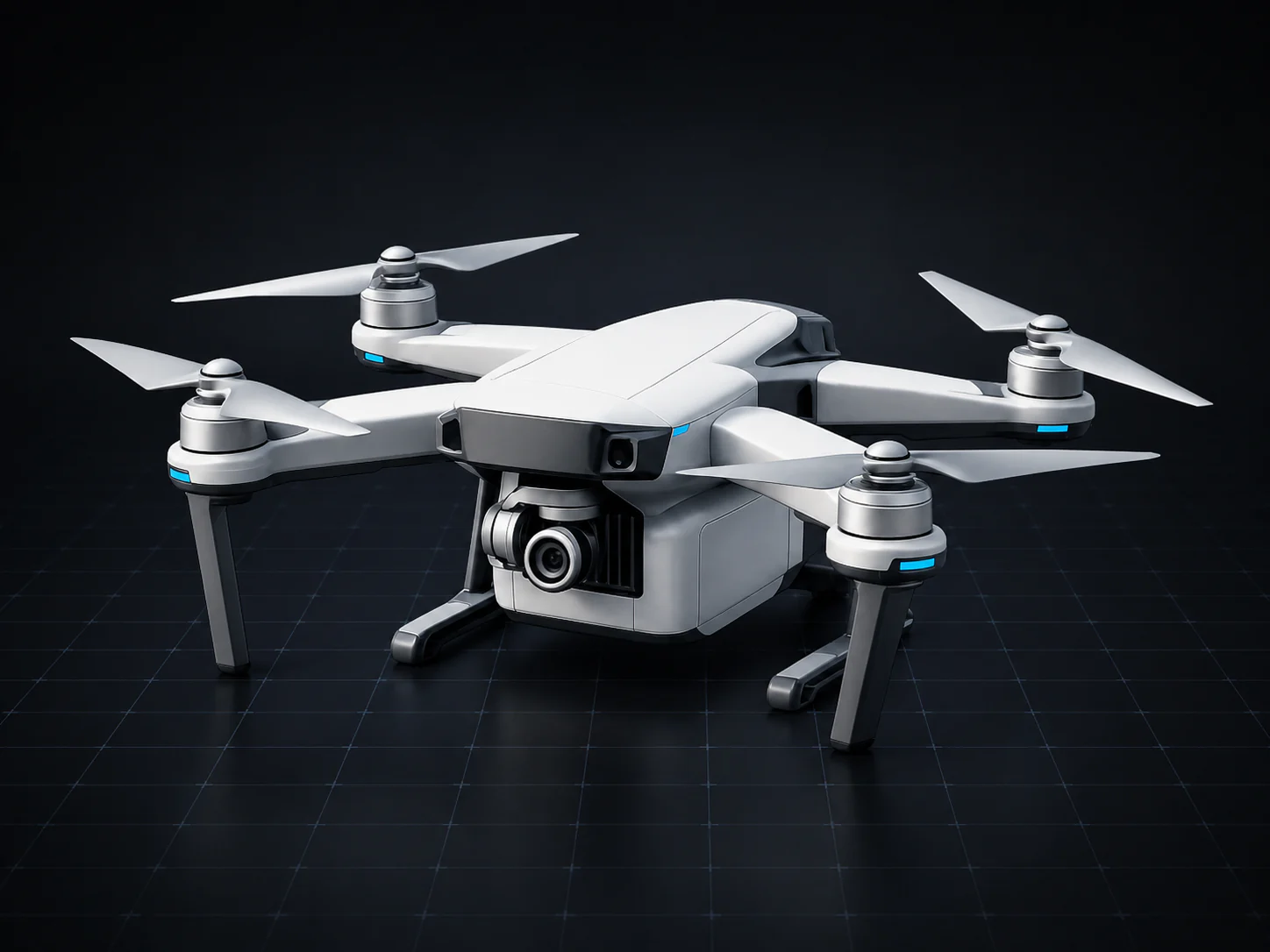
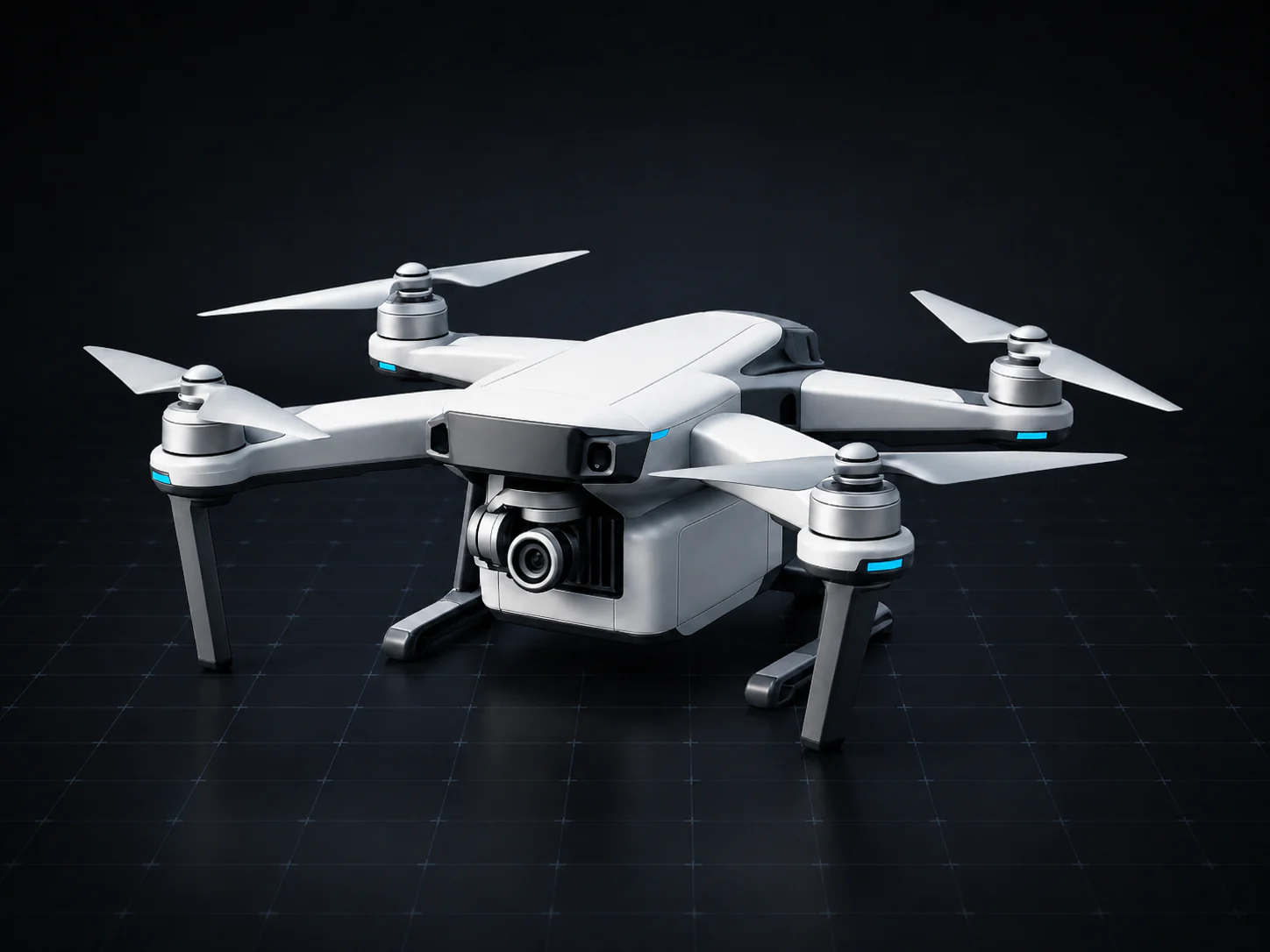
问题不只是把货飞起来。
真正的摩擦发生在“最后一公里”:用户看不到落地过程,调度员同时盯多架无人机,物业只能被动处理噪音、安全和秩序投诉。
飞行能力之外,需要信任能力。INTERFACE · FLOWS · ATMOSPHERE
From low-altitude logistics systems and travel decision tools to medical recruitment platforms, my interface work balances operational logic with tone of voice. 复杂服务被拆成角色、任务、状态与反馈;界面不再只是视觉表层,而是让行动、判断和协作自然发生的秩序。
无人机物流配送的全链路交互体验设计。项目不是把无人机做成一个炫酷硬件展示,而是围绕消费者、调度员、物业三类角色,把下单、起飞、航线监控、异常预警、社区治理和签收确认组织成一个可信任的服务闭环。 A low-altitude logistics UX system that turns flight status, risk signals, and handoff rules into visible trust.
飞跃云端,使命必达。SkyPick 基于低空经济和多场景研究,将“运力的游戏”重构为“信任的系统”:让用户知道包裹在哪里,让调度员提前看到风险,让物业拥有社区空域治理工具。
真正的摩擦发生在“最后一公里”:用户看不到落地过程,调度员同时盯多架无人机,物业只能被动处理噪音、安全和秩序投诉。
飞行能力之外,需要信任能力。消费者端覆盖弱网下单、实时轨迹、落地前环境自检、人脸识别签收,让“包裹在哪、何时到、能否安全落地”都被界面讲清楚。
Passive waiting → Active control社区空域地图、禁飞区、禁飞时间、站点设施管理和投诉闭环,让物业从“事后处理”转向“事前治理”。
Community airspace becomes operable.大件搬运过度依赖人工,包裹堆积导致查找低效;根源不是单点功能缺失,而是包裹、路线、社区和人的协同链路断裂。
Objects and people need one shared flow.SkyPick 把消费者、调度员、物业放进同一条数据链:订单与签收、航线监控与预警、社区治理与反馈在系统内持续同步。
Order · Flight · Governance · Feedback调度端以 2D/3D 空域监控、红橙黄预警、语音指令调度和备用无人机交接,降低多机任务下的信息负担。
Monitoring → Prediction → Dispatch用户获得物流透明感,调度员获得异常优先级,物业获得空间治理权限;系统用同一组状态把三方动作连接起来。
Trust is distributed by role.低保真验证信息架构、层级和核心路径;高保真则把可用性推进到可信任感,建立控制感、专业感和服务记忆点。
Usable → Trustworthy → Memorable研究、服务蓝图、三端架构与高保真界面被放在同一条服务链中:SkyPick 的核心不是展示一架无人机,而是让低空物流从下单、调度、社区治理到签收反馈都具有稳定秩序。
文档中的问题定义指向三类不确定:用户缺少落地过程控制,调度员缺少主动预警工具,物业缺少社区空域治理手段。SkyPick 的价值,就是把这些不确定变成可读、可控、可追踪的界面状态。
从“等通知”改为“看得见”:路线、预计到达、环境检查、签收安全都在交付链路内呈现。
多机并行时,系统将风险分级、航线冲突和备用机交接前置,避免调度员被动救火。
物业拥有禁飞区、时间窗、站点和投诉闭环工具,降低社区接受无人机物流的心理门槛。
创新不在单一功能,而在把低空物流从“运力游戏”重构为“信任系统”。
消费者端解决透明化交付,调度员端解决主动化预警,物业端解决前置化社区治理。三个角色围绕同一条物流状态链协作,让每个动作都有上下文。
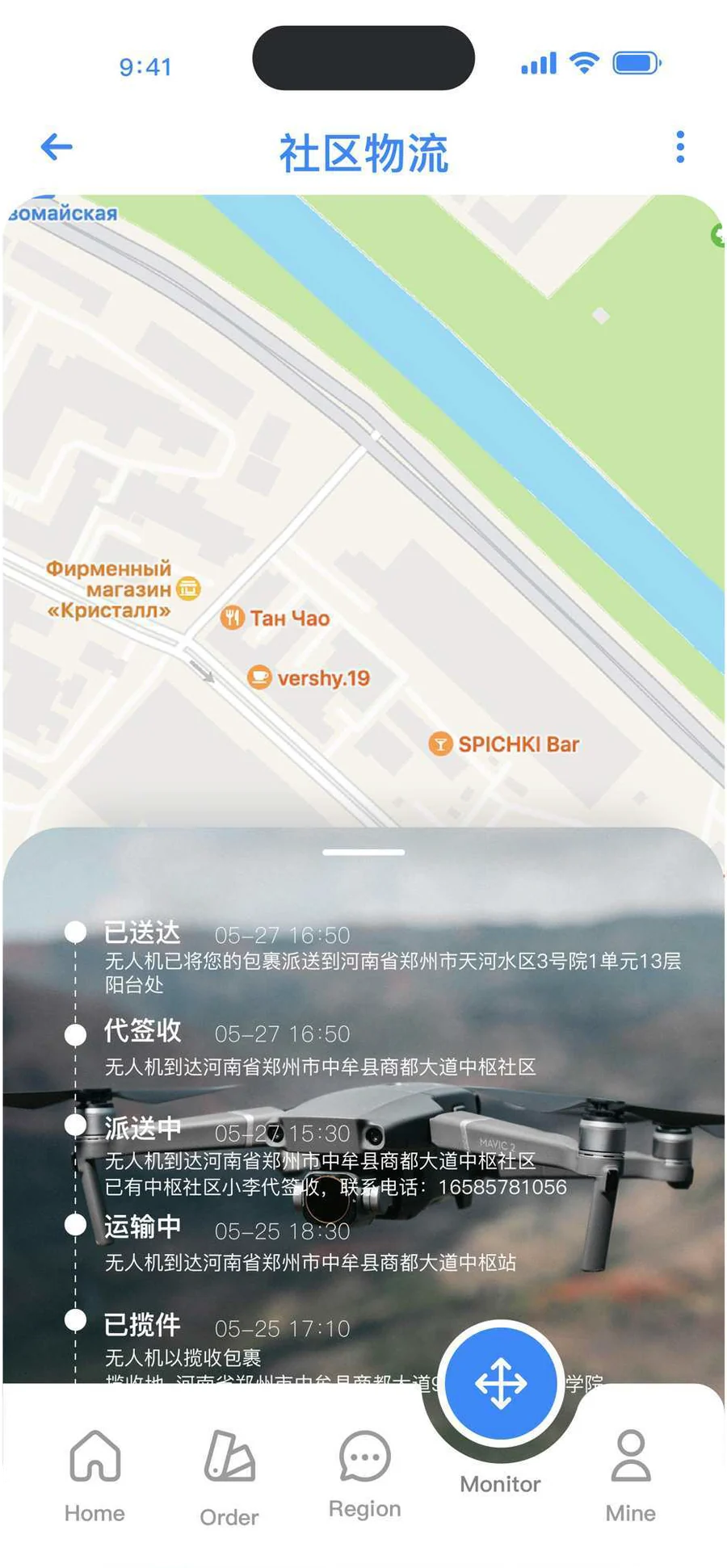
下单、弱网保护、实时追踪、落地前环境自检、人脸识别签收,让配送不可见带来的焦虑被逐层消解。
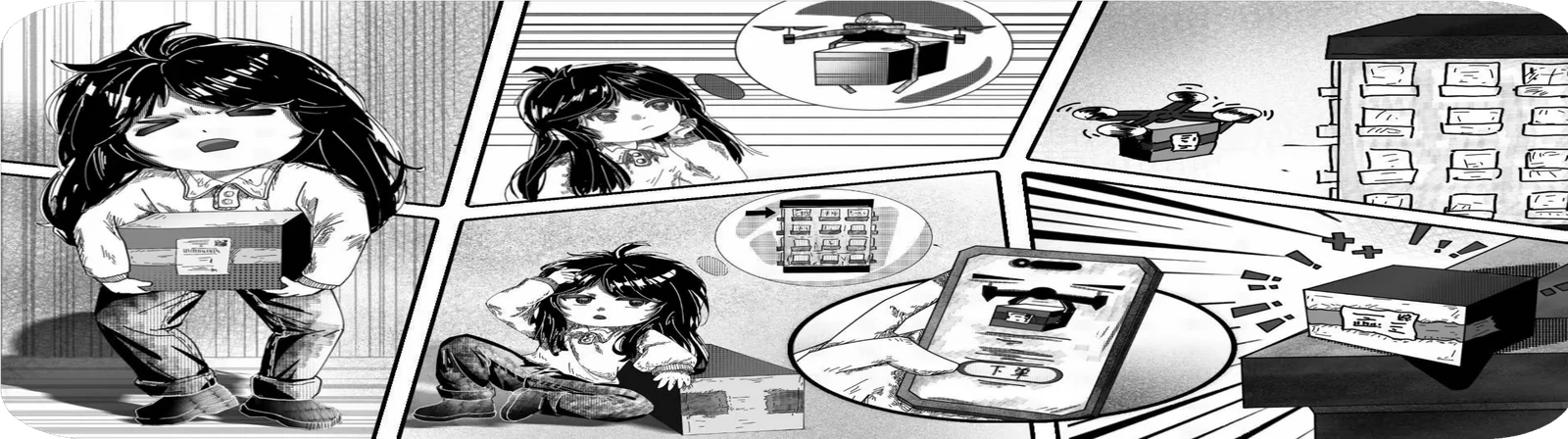
研究部分包含竞品分析、用户画像、行为映射、需求层级、生命周期和信息架构。它们共同回答一个问题:无人机配送在不同角色眼里,哪些状态必须被提前看见?
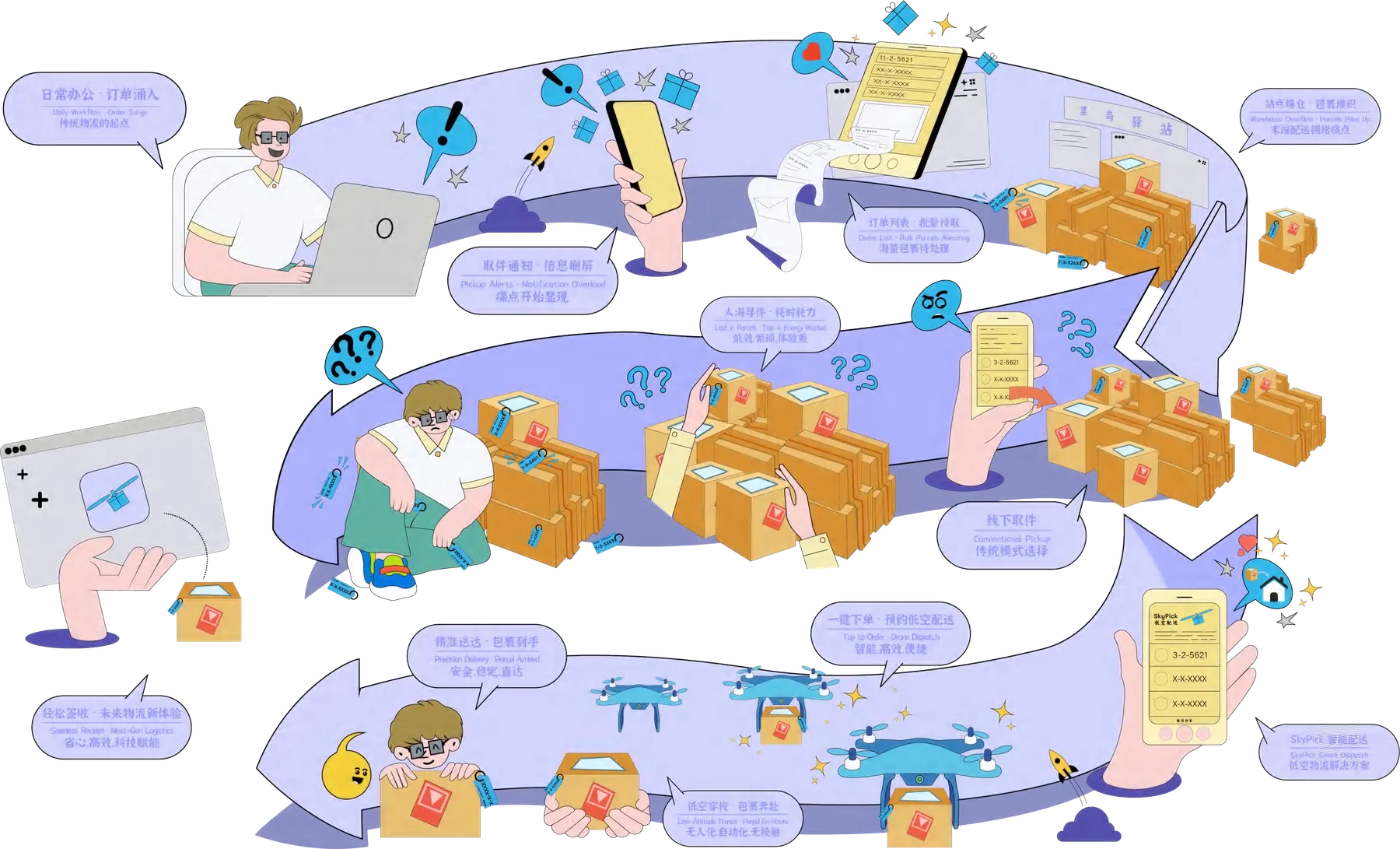
把取件通知、信息刷屏、订单堆积、站点维护、人货寻找和低空穿梭拆成连续行为节点。
从用户生命周期反推信息层级:先给状态,再给原因,最后给可执行动作。
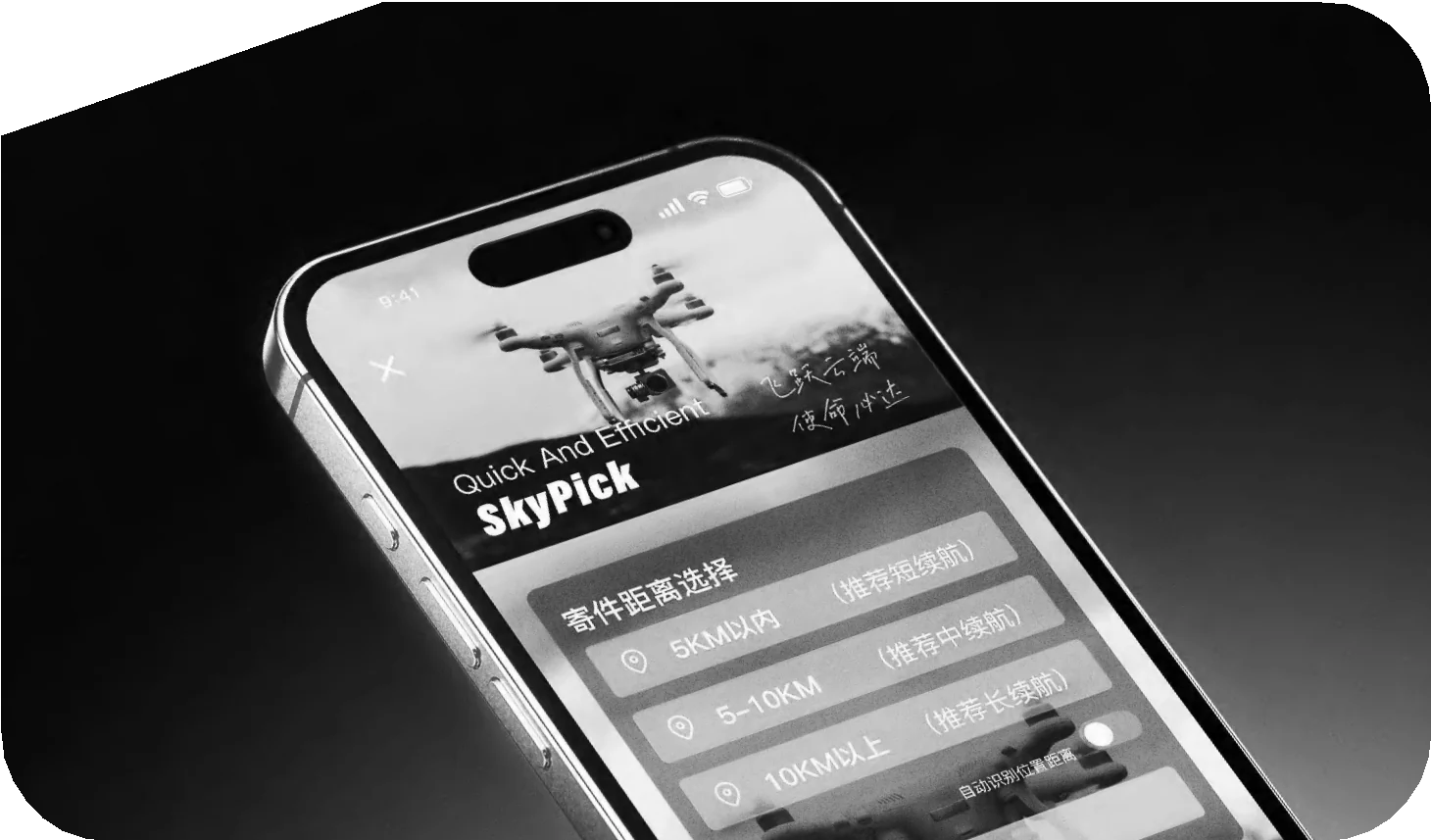
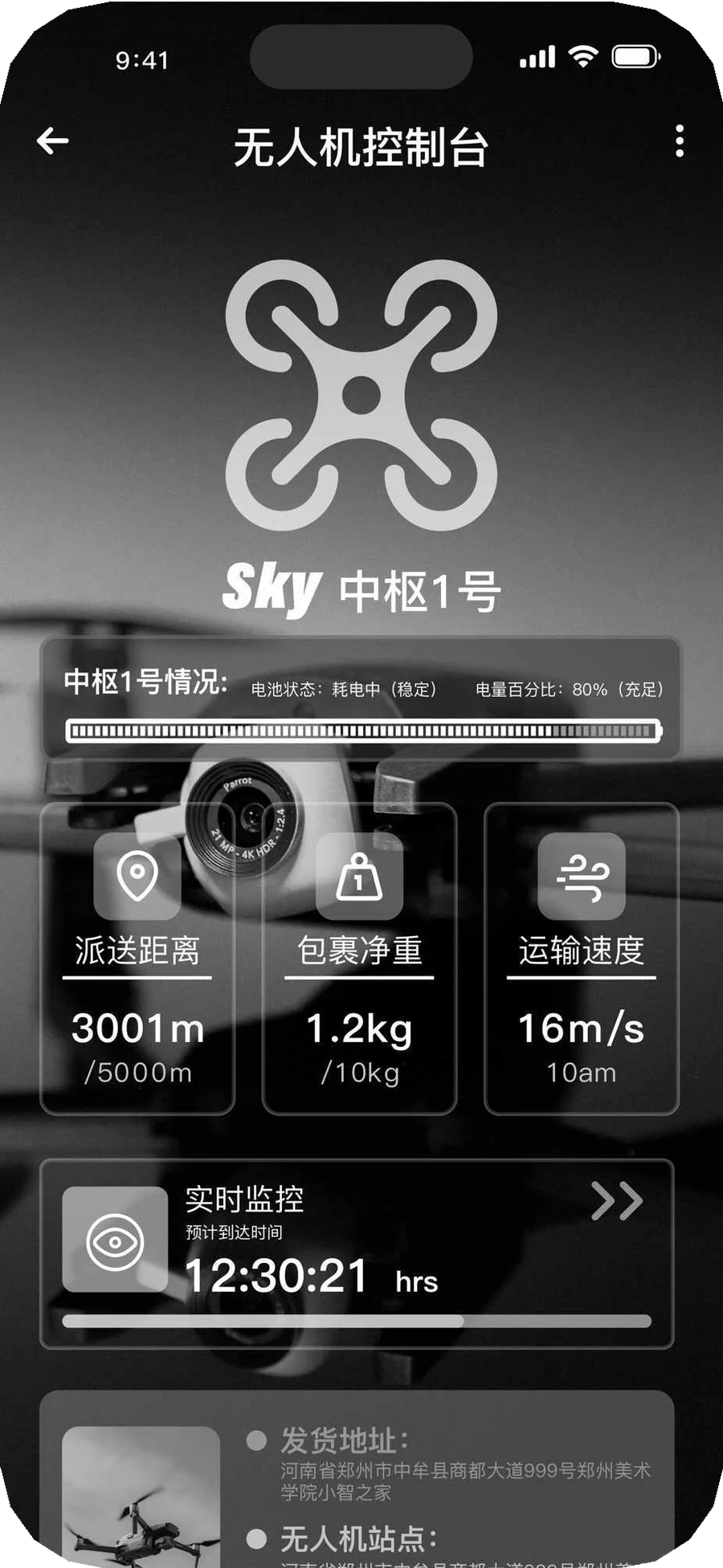
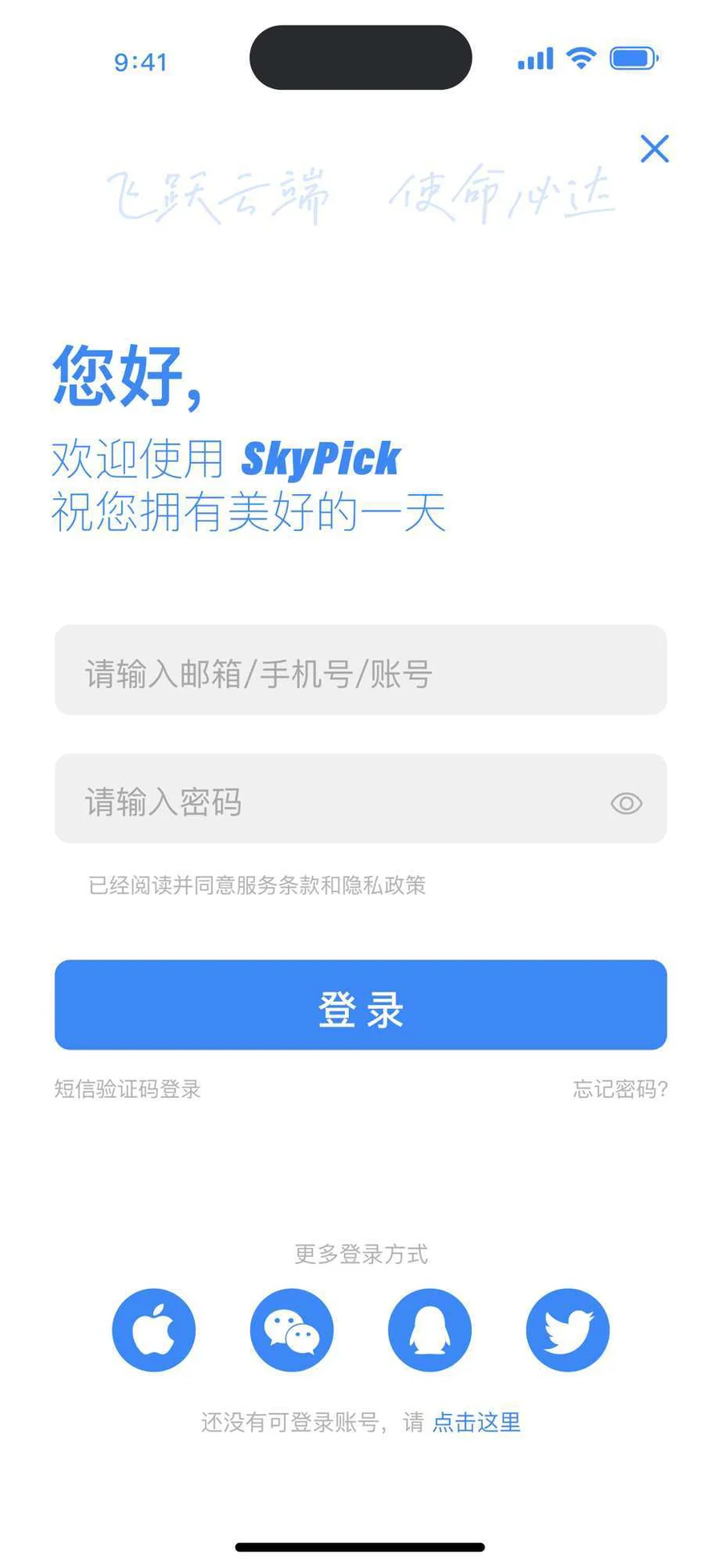
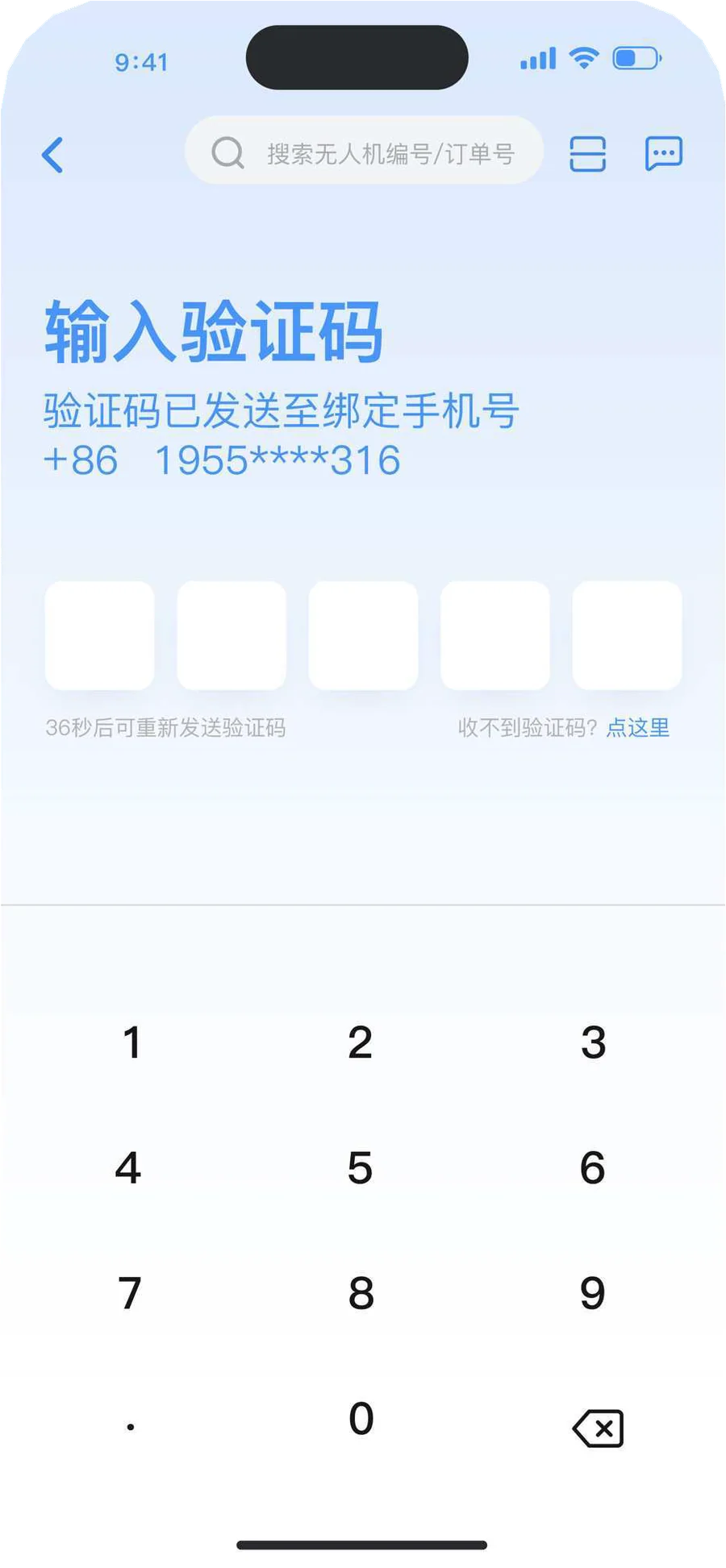
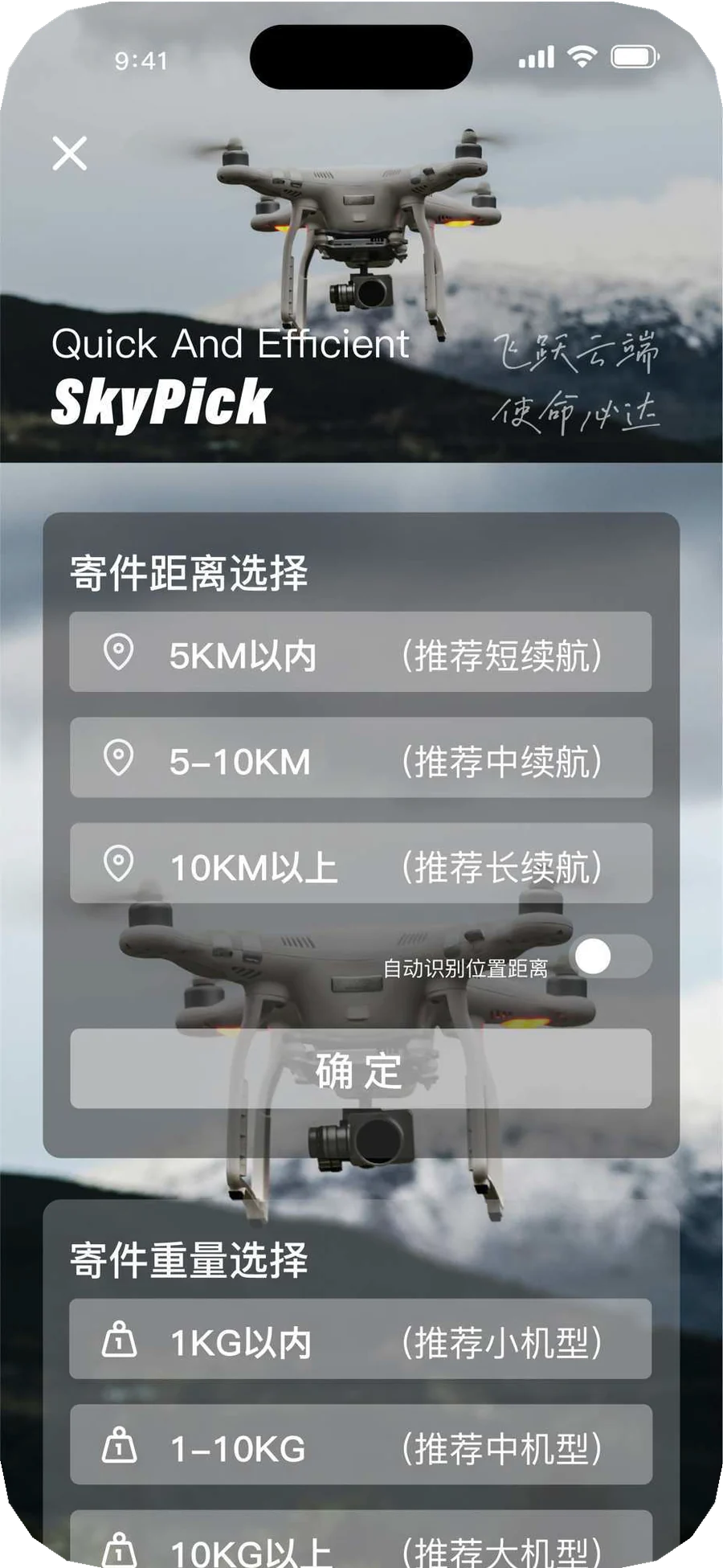
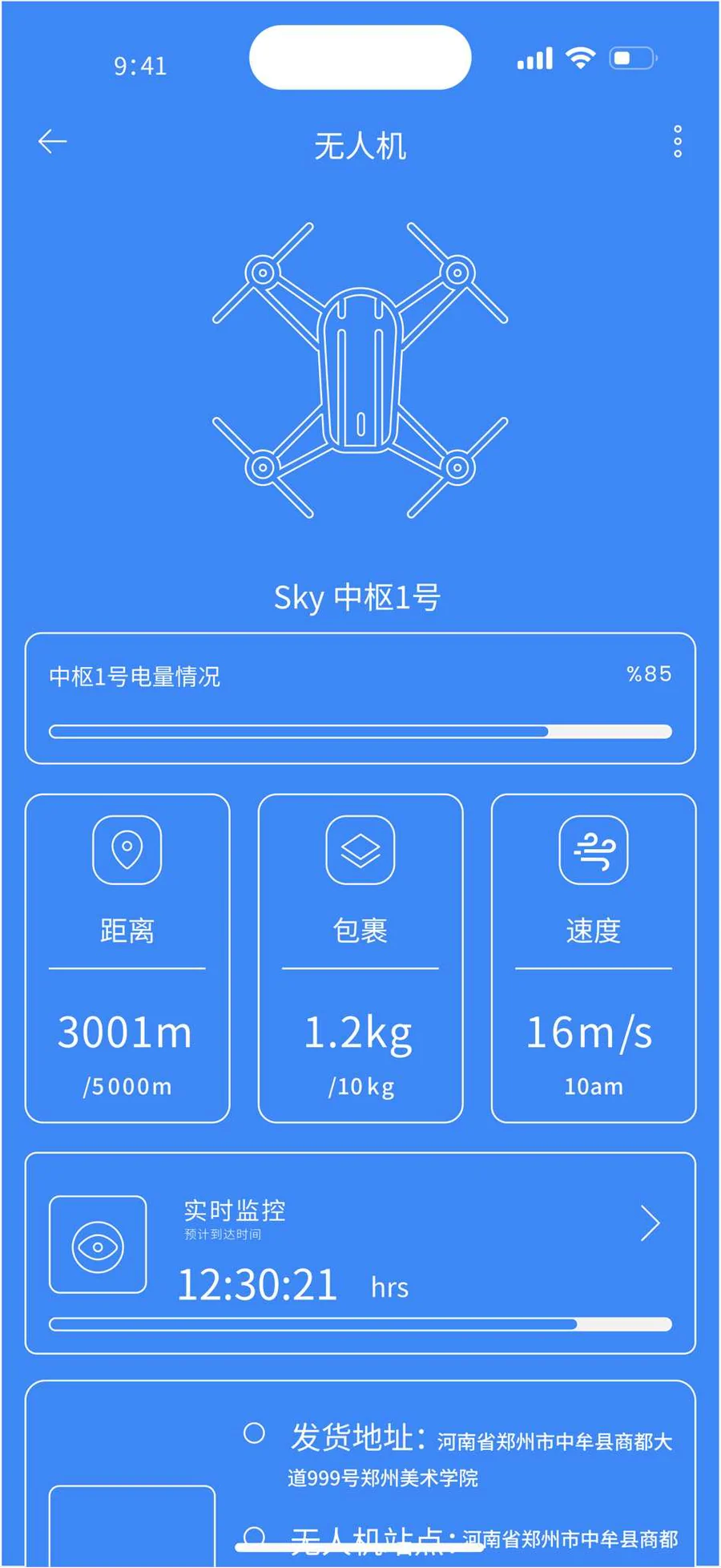
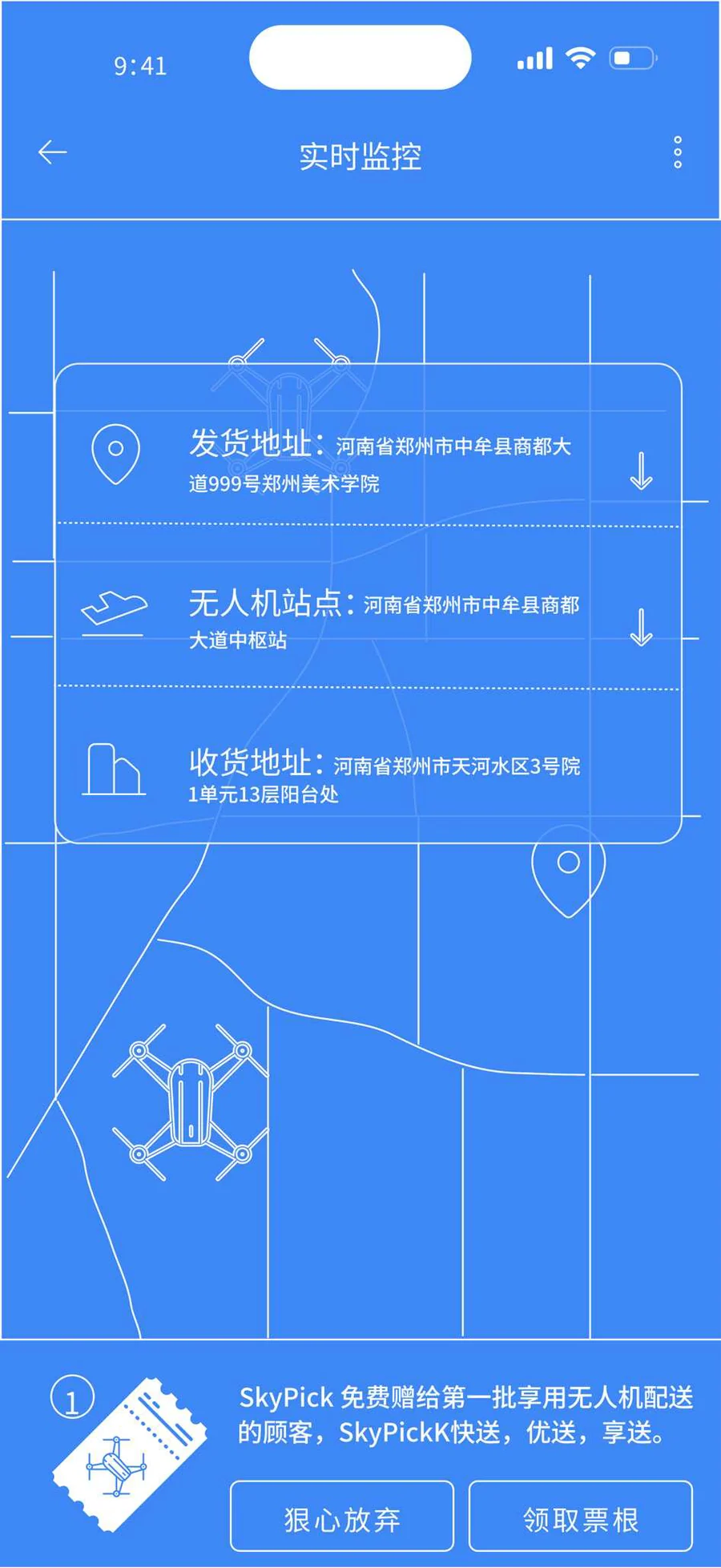
低保真阶段确认路径能不能跑通,高保真阶段确认系统能不能被信任。这里把“寄件配置、无人机监控、登录验证”串起来,展示从任务骨架到真实服务入口的演进。
先验证距离、续航、载重和确认动作是否能形成清楚任务链,再进入视觉精修。
监控页把电量、净重、速度、预计到达和站点信息组合成可读状态。
登录与验证码不是孤立页面,而是账号安全、服务权限和后续签收信任的入口。
视觉不是装饰。凌云蓝负责科技与行动提示,使命黑负责专业度,航迹灰控制信息层级,晴空白保证阅读,天际蓝让状态反馈更轻。
主行动色,用在关键按钮、航线高亮、实时状态和科技感连接线,承担“可以继续操作”的信号。
11-34 pt
Caption / Footnote / Body / Title 11 / 13 / 17 / 28
桌面启动图标:精准、高效、可靠 DRONE SYMBOL
底部导航:用户与核心功能的视觉桥 BLUE / BLACK STATES
功能图标降低认知负荷 TWO-TONE UI
高保真阶段从“能用”推进到“可信”:启动页强化品牌记忆,登录降低进入门槛,物流专区把等待焦虑转成可见飞行体验,消息和客服让问题可以迅速回到服务闭环。
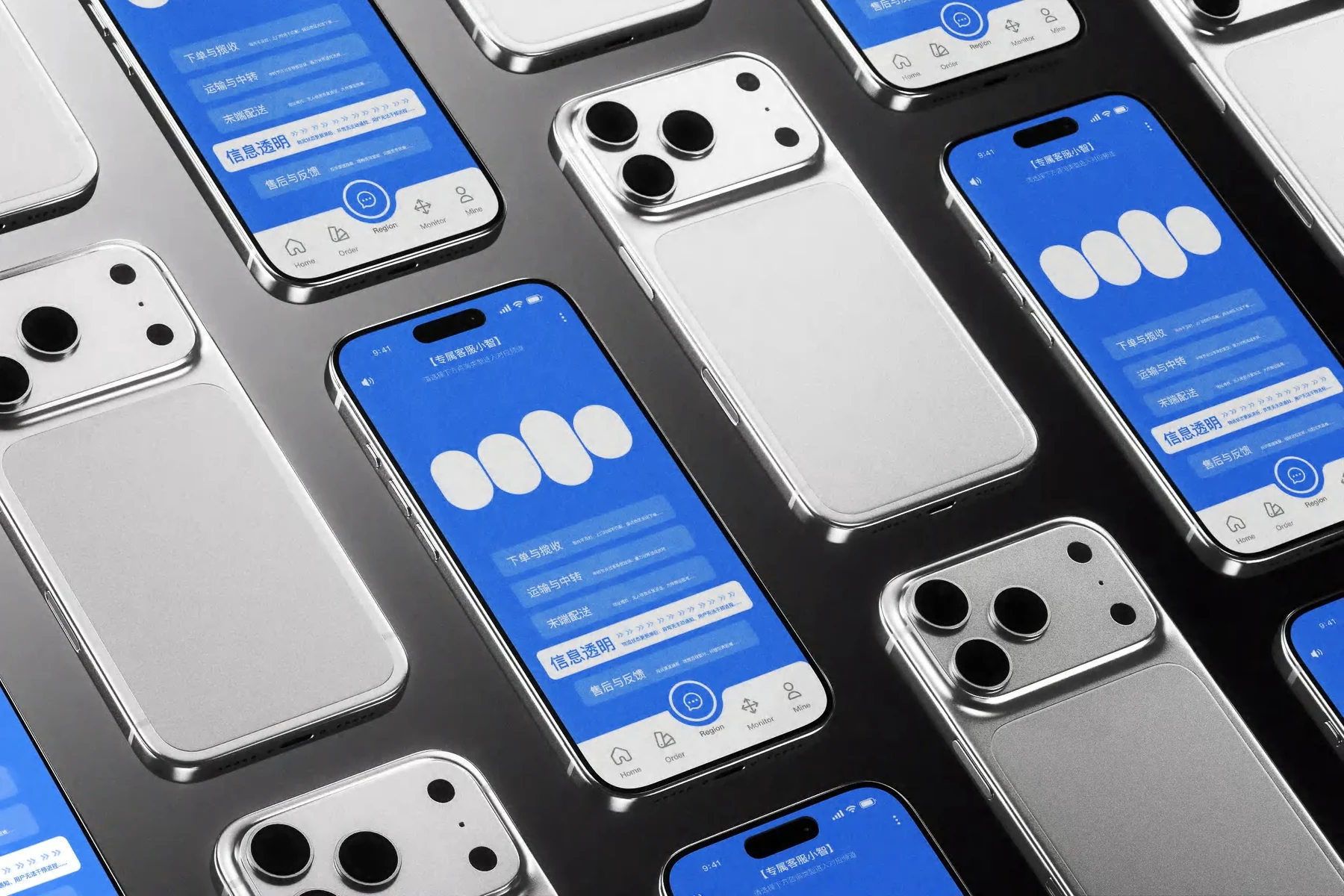
低保真是骨架阶段,用来验证信息架构、层级、核心路径和三端可行性。
高保真是信任重构:把控制感、专业感和配送安全感转译成视觉与交互细节。
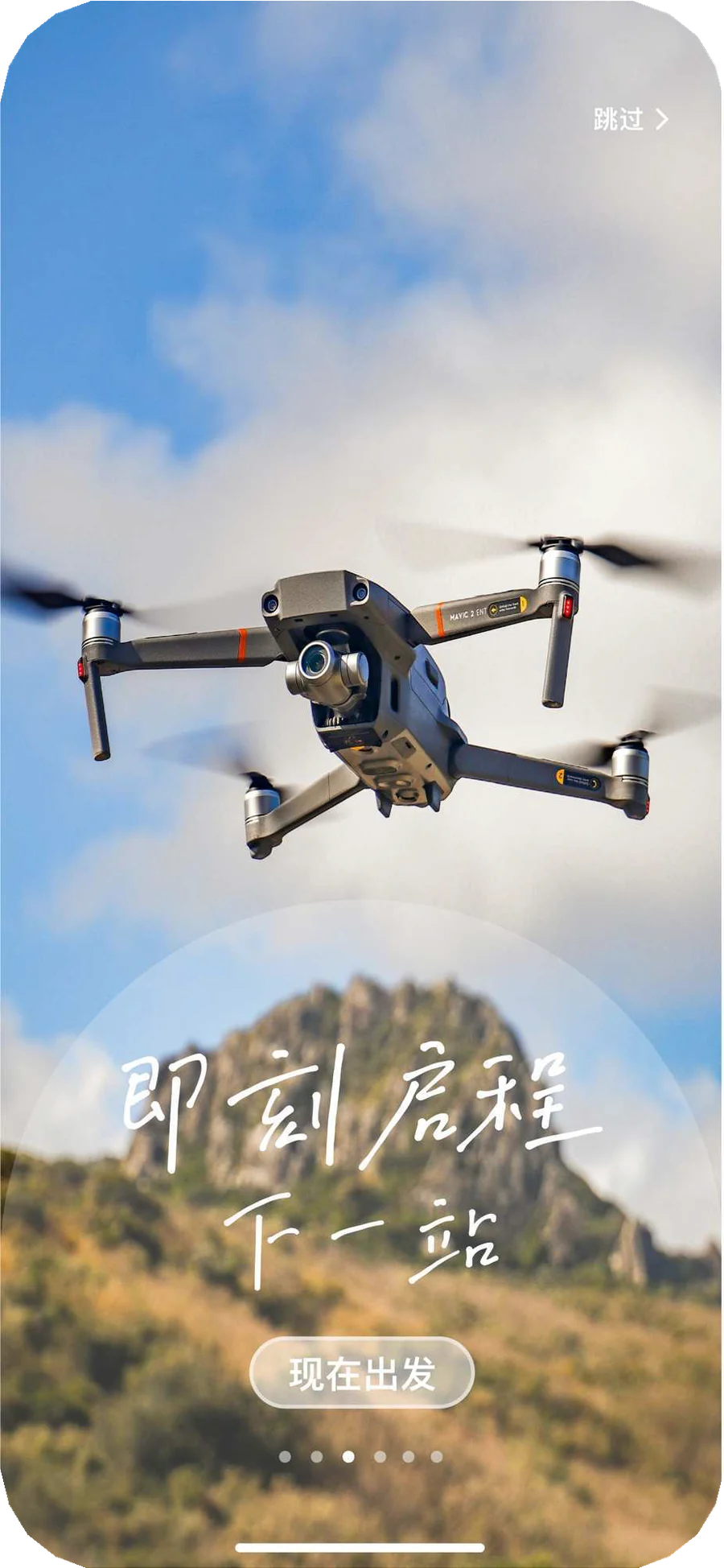
启动与引导页避免空白等待,同时提前告诉用户权限、角色偏好和服务边界。
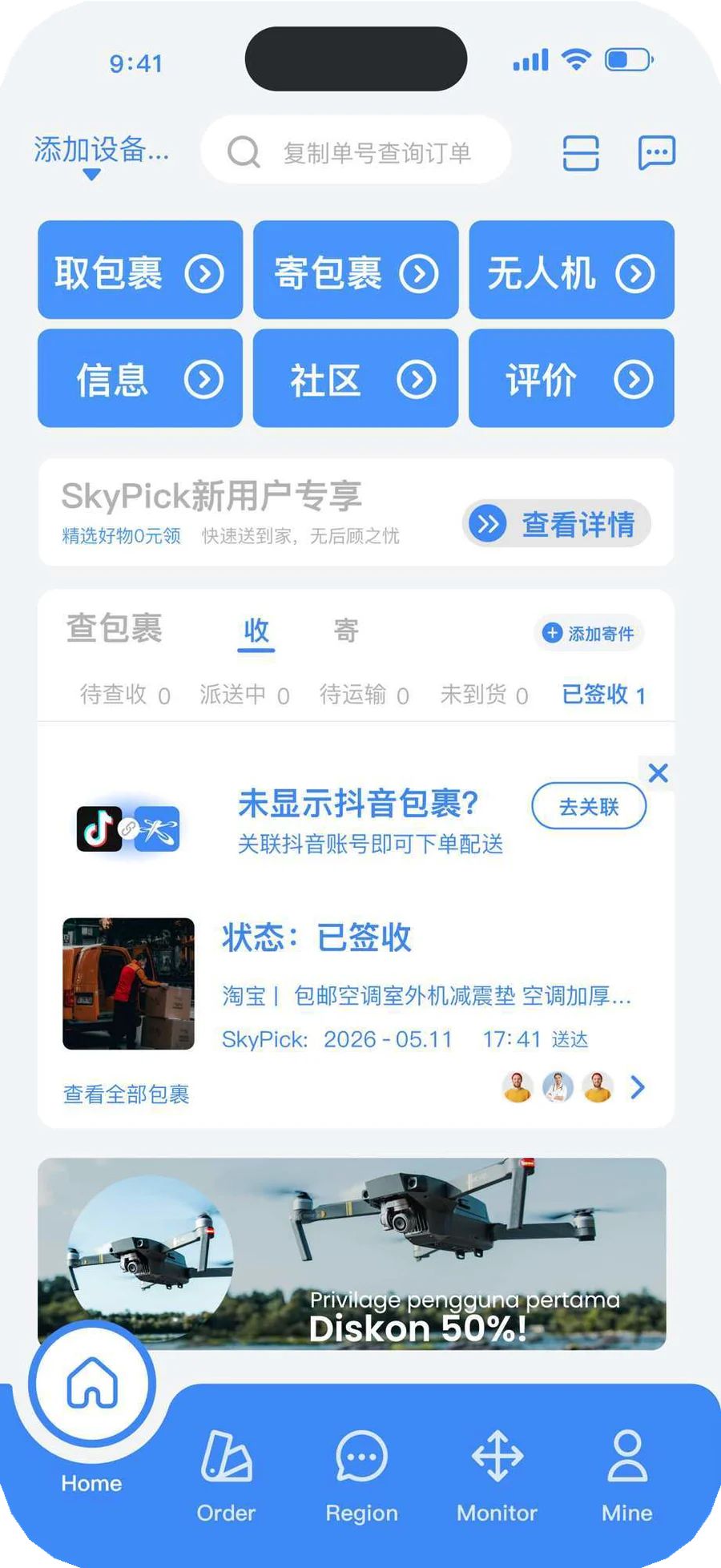
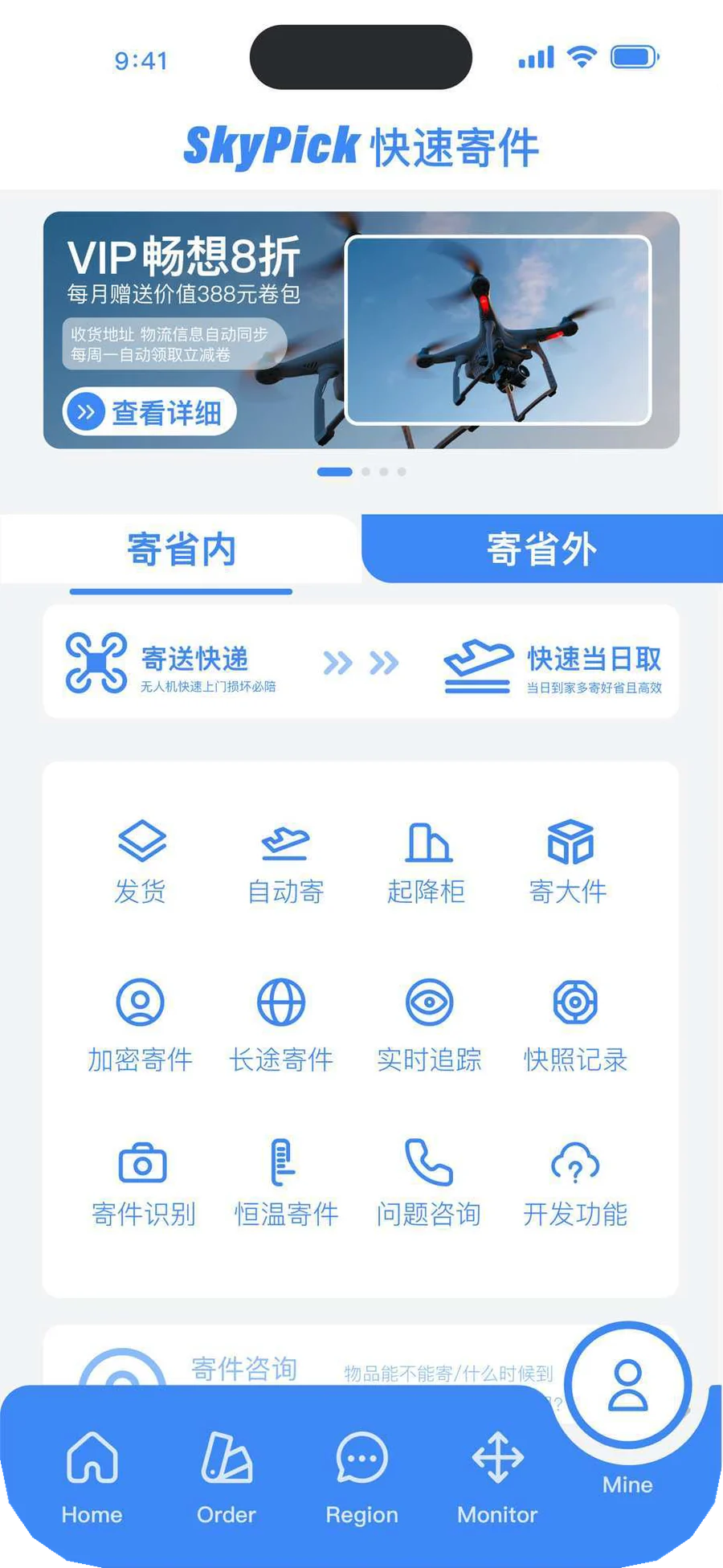
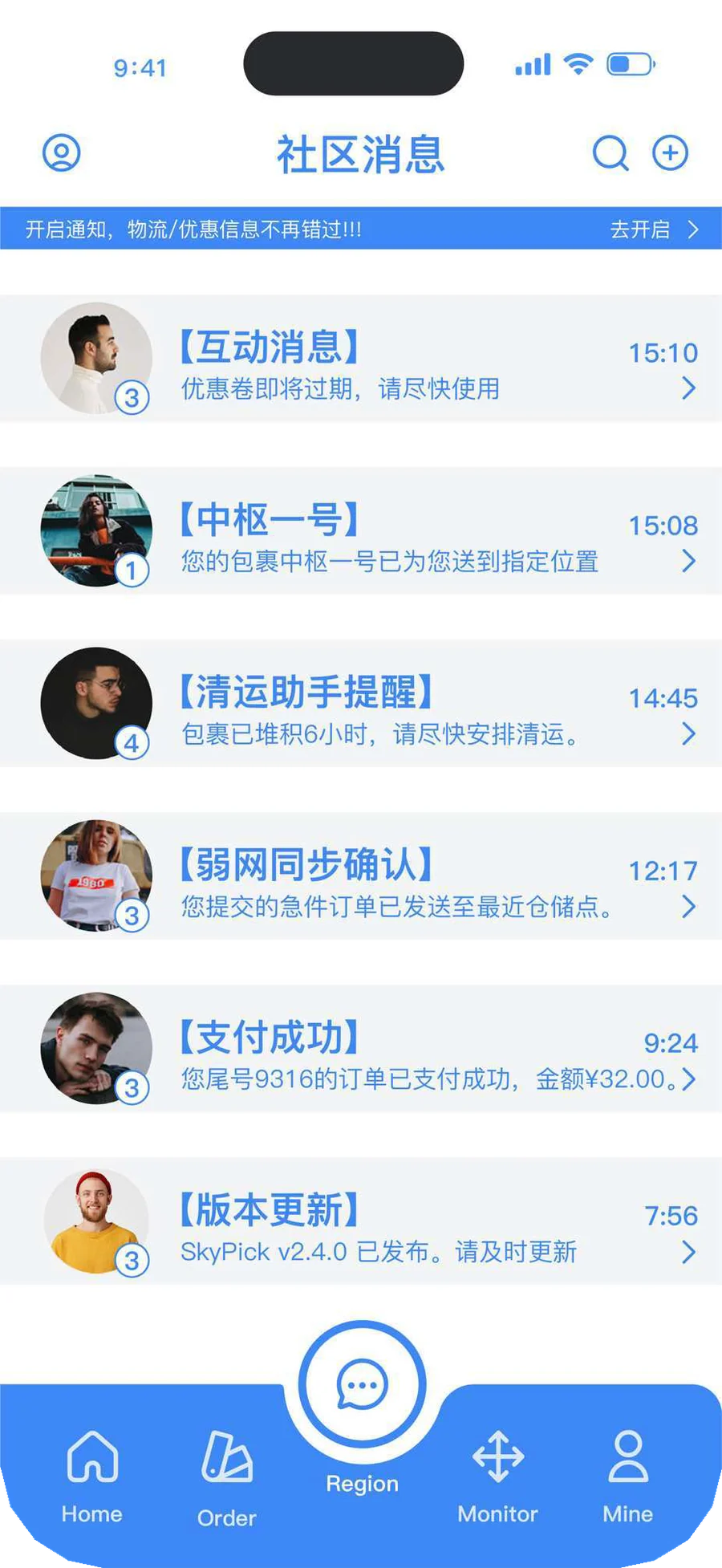
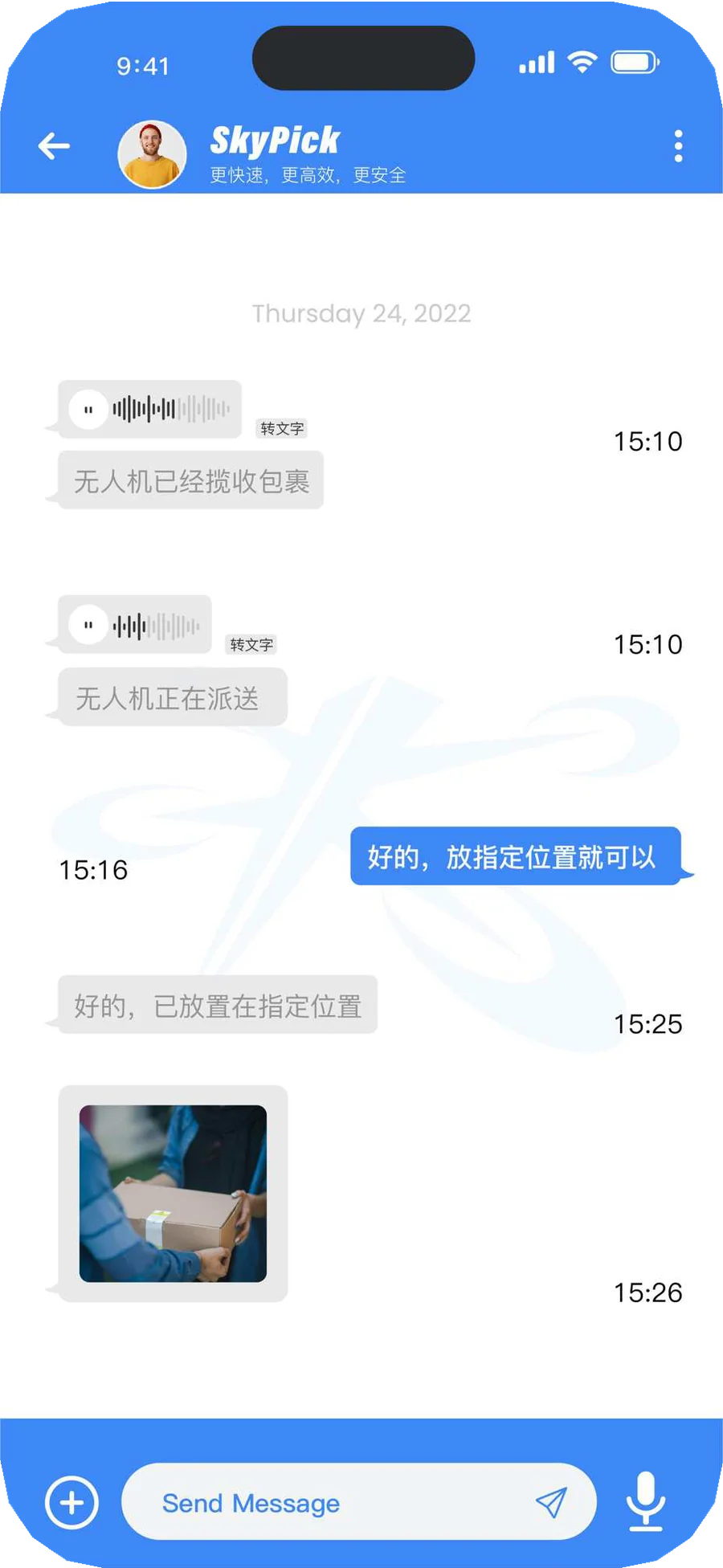
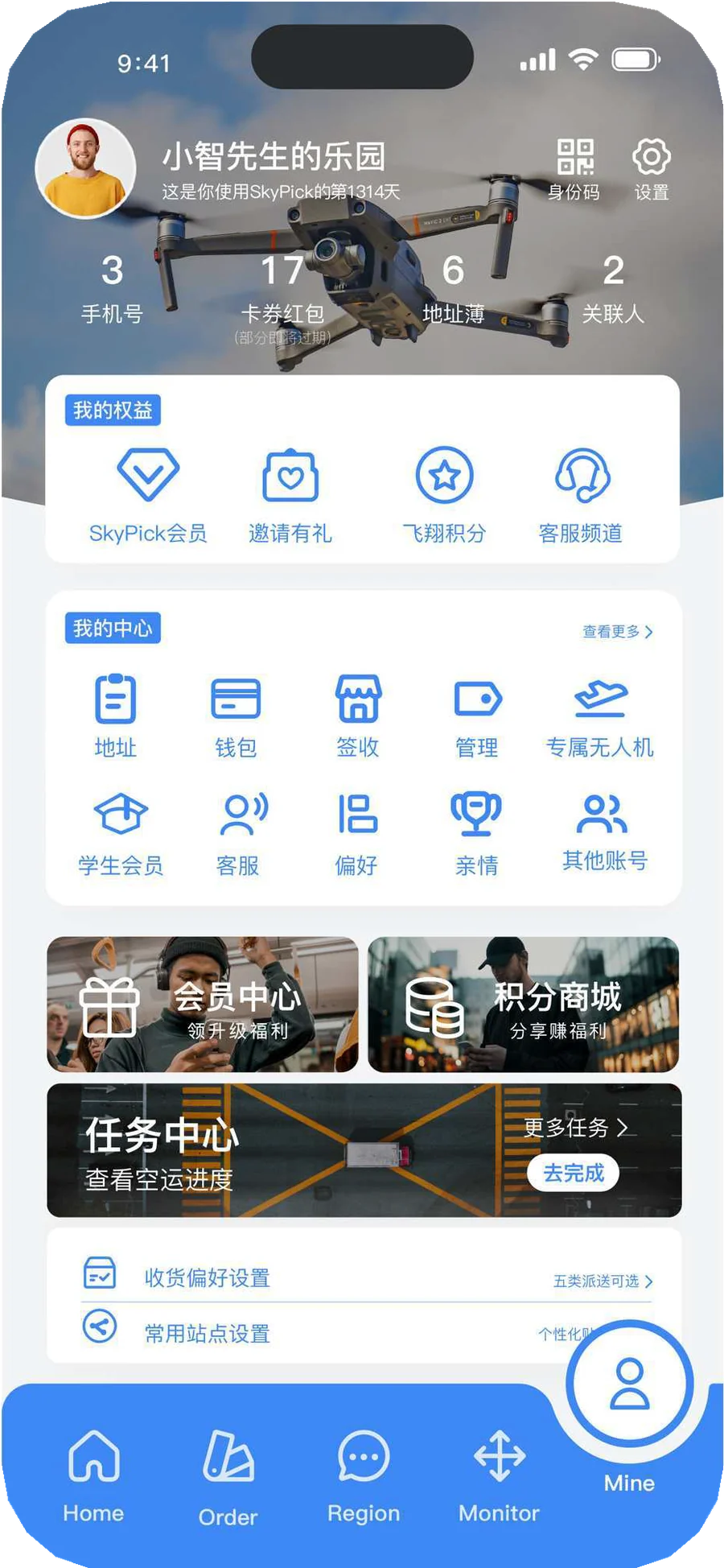
对调度员和物业来说,高级感不是更炫,而是更快判断风险。蓝色状态层、预警色和空间面板共同形成专业、冷静的操作语气。
当每个角色都能在自己的场景里从被动焦虑转向主动掌控,无人机才不只是“飞过来的设备”,而成为一条完整、可解释、可被信任的城市配送体验。
云野来自真实旅行规划里的反复犹豫:想去哪里、值不值得去、路线怎么排、出发前要带什么。项目不是再做一个攻略集合,而是把评论、收藏和对比信息重新组织成可执行的决策链,让用户先获得判断,再进入行动。 UX strategy + runnable prototype, built from real planning friction.
我没有先写抽象人设,而是从评论区、收藏夹和“还是不确定”的提问里找重复摩擦,再把它们压缩成三个决策时刻:去哪、怎么去、带什么。 Instead of starting from personas, I start from hesitation in the wild and translate it into decision moments.


我拆解竞品时不比较“谁更强”,而是看它们在帮助用户做决定时缺了哪一层:信息是否可信、路线是否可对比、下一步是否明确。 The goal is not to copy features. I keep useful clarity, refuse the ad-first rhythm, and add a proof layer for trust.
| Product | Strengths | Weakness / Friction | Takeaway for YUNYE | |
|---|---|---|---|---|

Mafengwo
马蜂窝
|
Huge travel note base, mature “guide + note” structure, strong destination indexing | Commercialization heavy, feed noise, mixed incentives, decision scattered by “content gravity” | Borrow "content structure", refuse "ad-first rhythm"(内容结构强,但决策链被信息流冲散) | |

Round Trip
圆周旅行
|
Clear itinerary entry, readable planning flow, “day-by-day” structure feels actionable | Thin proof layer / date contrast missing(缺少"不同日期对比"的可信度机制) | Keep planning clarity, add “proof layer” + “date contrast” | |

Xiaohongshu
小红书(内容决策入口)
|
Fresh UGC, strong “real scene” perception, quick trend discovery, rich comments as friction source | Search results noisy, commercialization + “note economy”, information hard to converge into a plan | Real friction signals(收藏/评论/反复问)→ compress into Plan/Prove/Pack(把"信息"压成"动作") | |

Ctrip
携程(资源与交易)
|
Strong resource coverage: tickets/hotels/transport, stable supply chain, one-stop booking | Often “booking-first”, decision support layer is secondary, content layer can feel template-like | Booking strong, decision weak(资源很强,但"怎么选"仍靠用户自己) | |
I don't "invent numbers". I build a traceable chain: source → sampling → coding → clustering → decision artifacts(来源→抽样→编码→聚类→产出物). This makes the UX decisions explainable and reusable.
我先把流程做成可运行原型,用来验证导航深度、决策节奏和边界情况;AI 只是轻介入的辅助,不替代用户自己的判断。 A connected prototype tested the product rhythm before any intelligence layer was added.
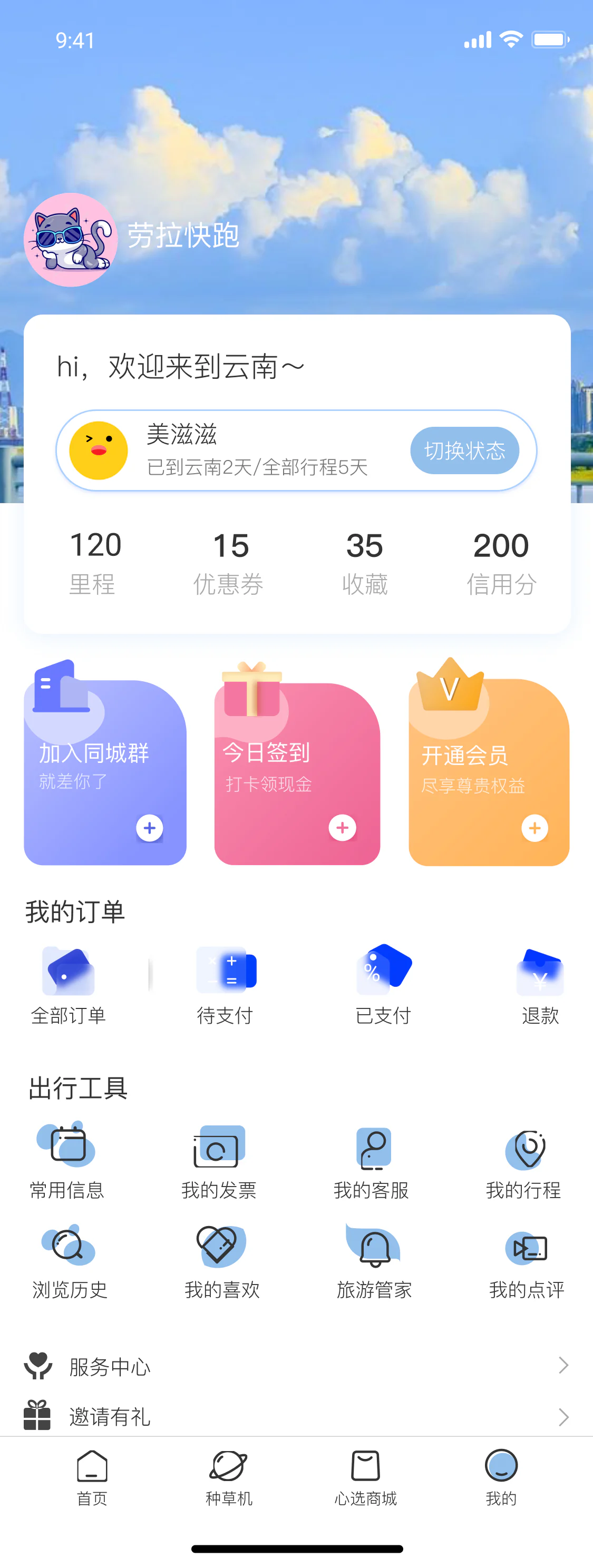
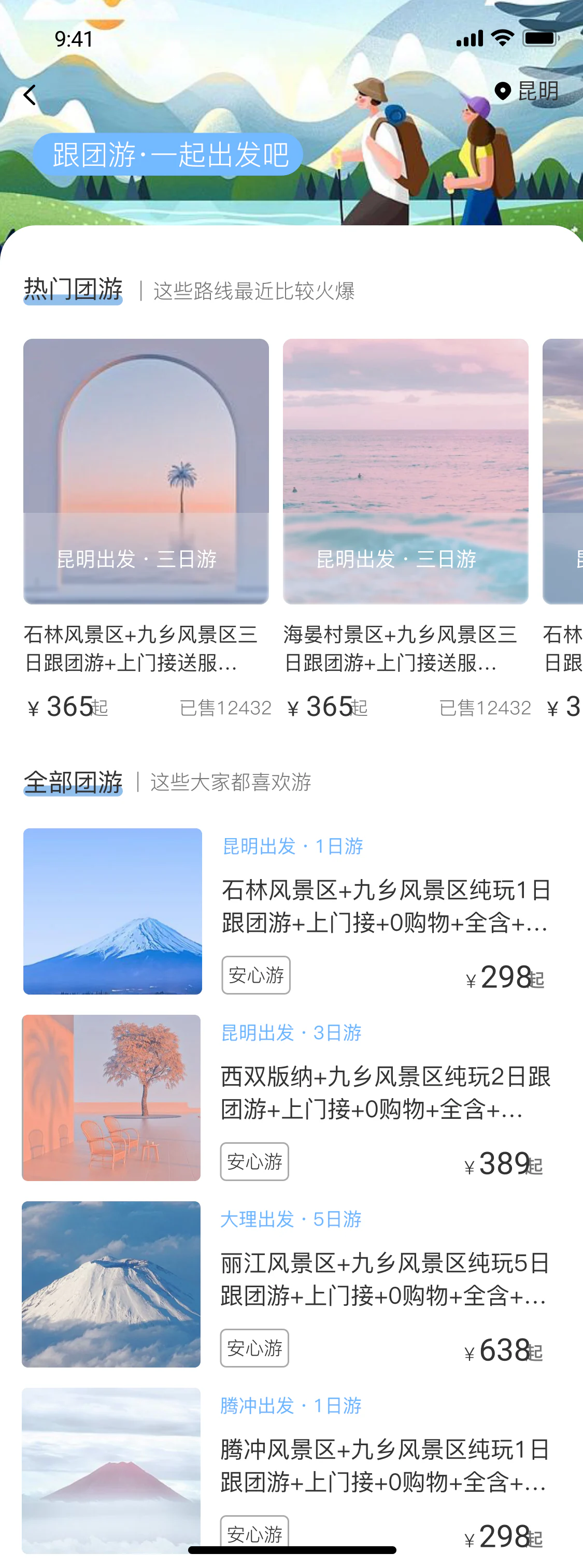
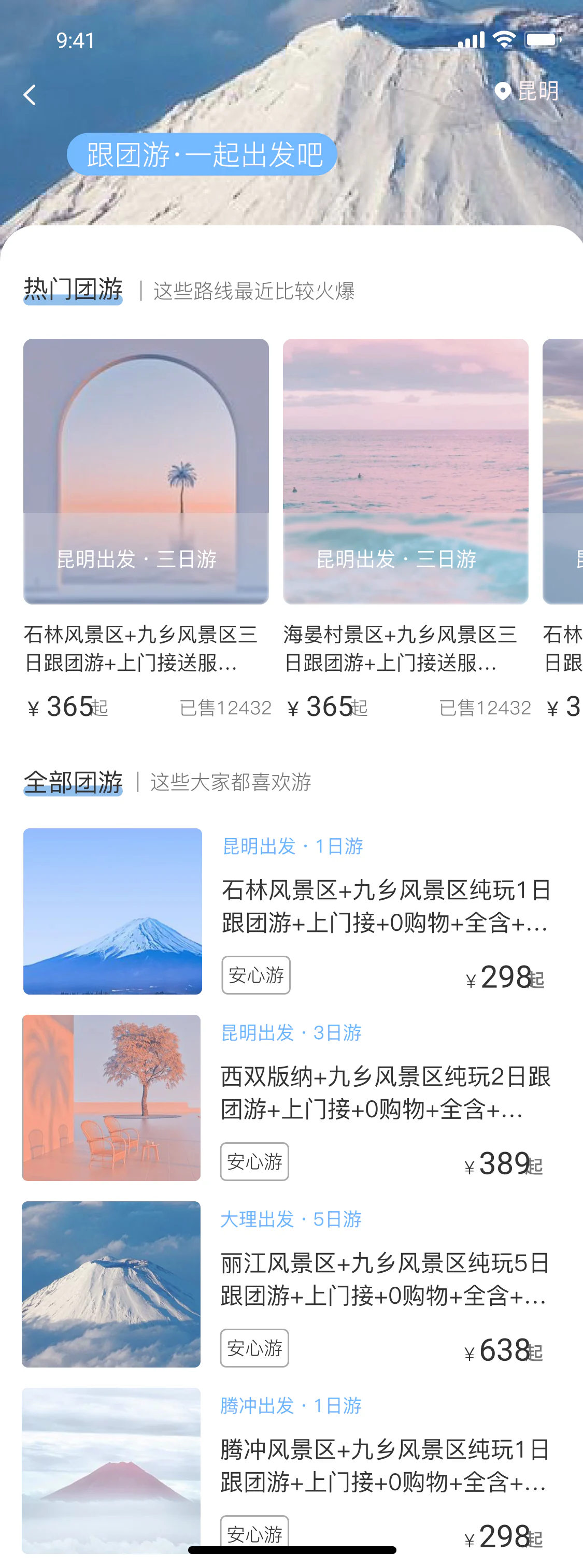
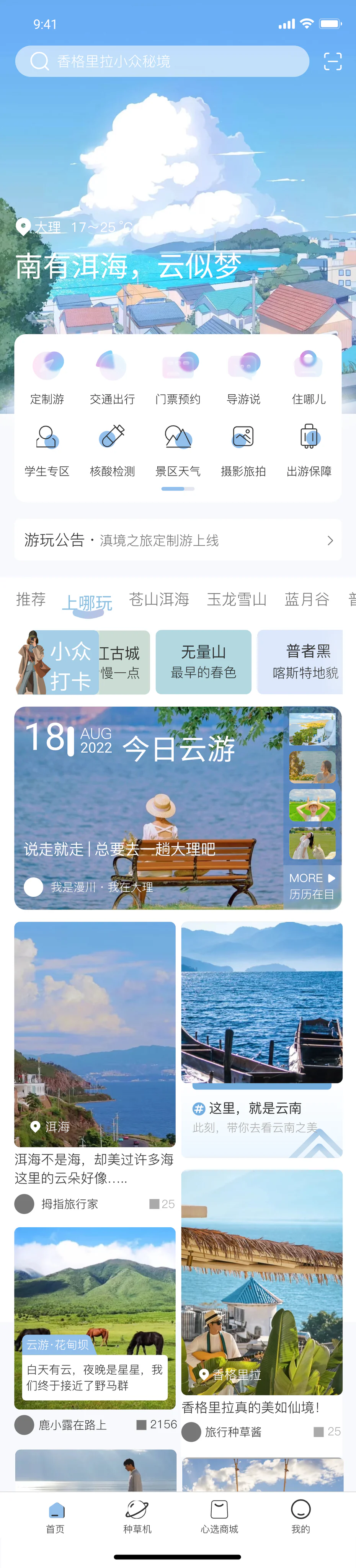
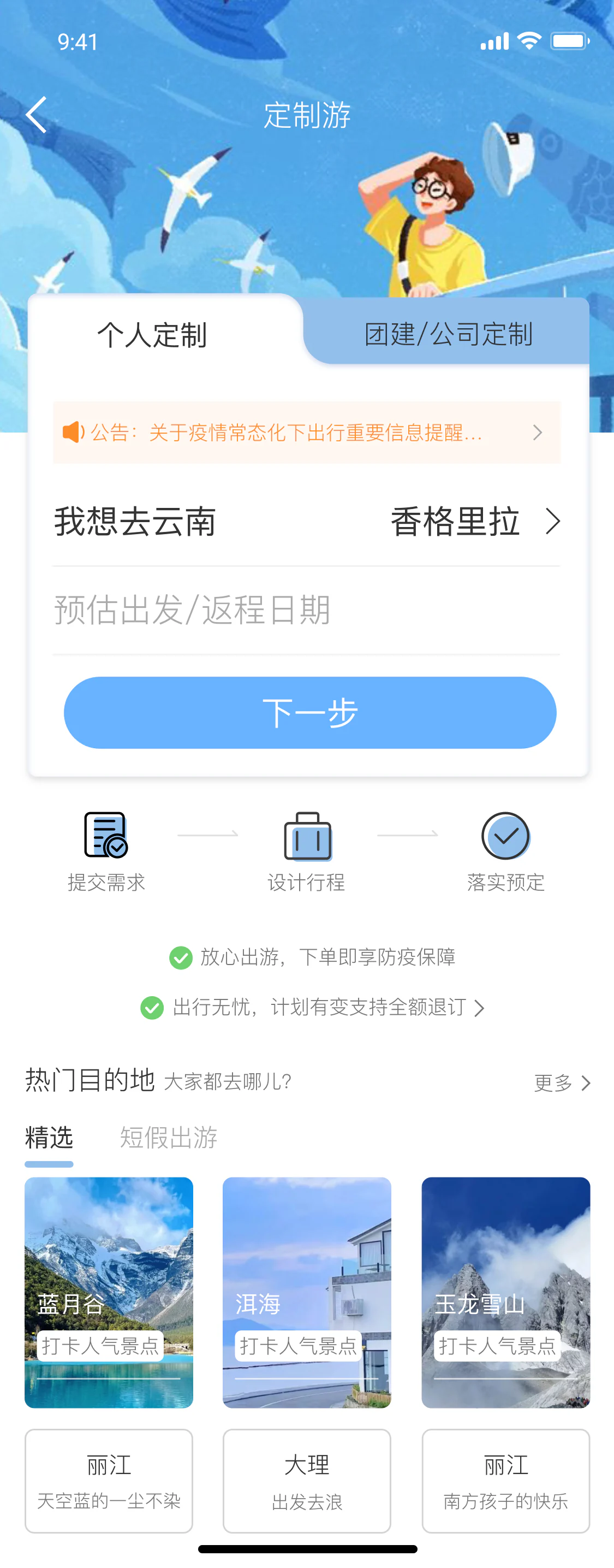

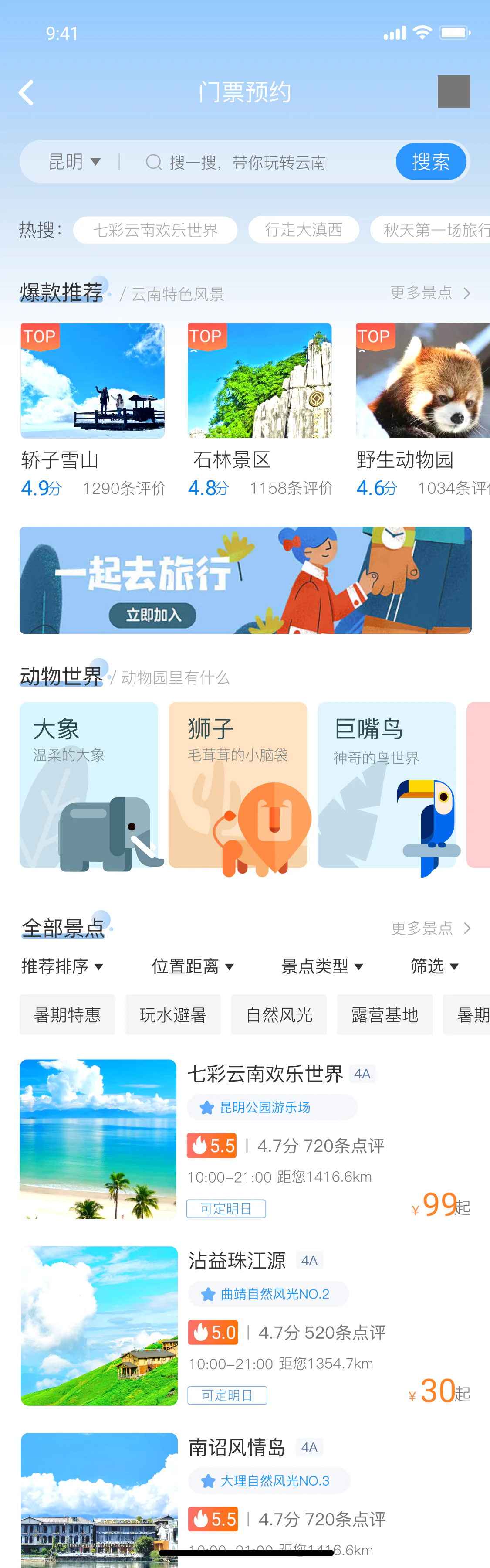

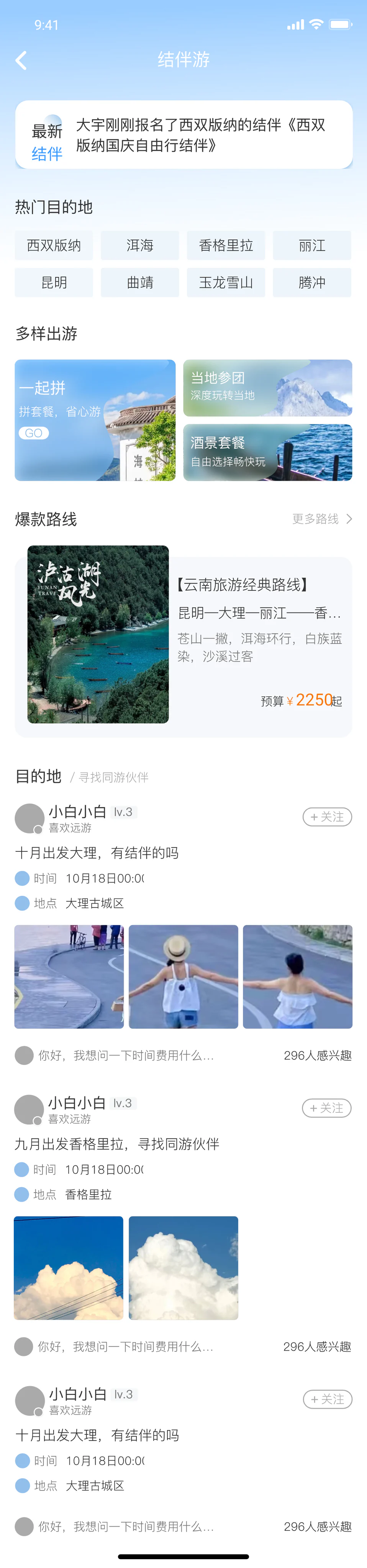
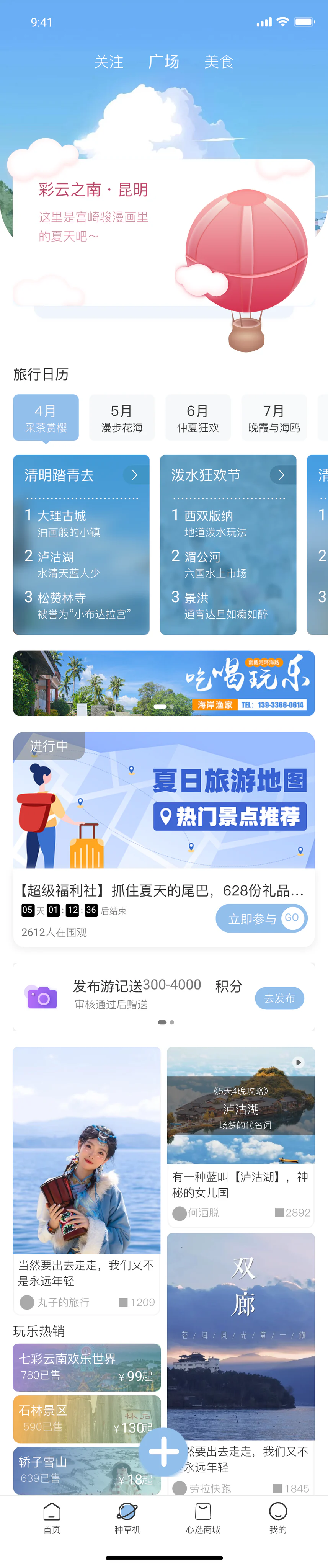
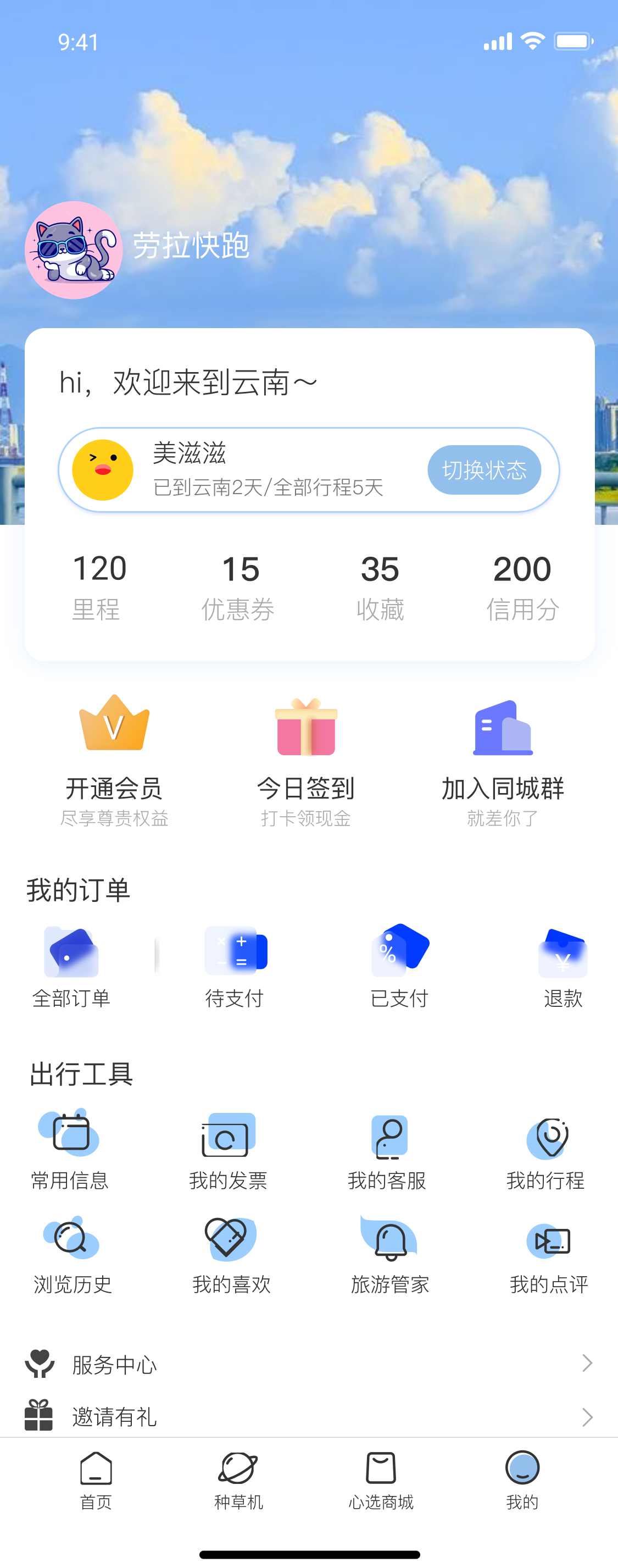
Key process frames|把"美"压在"可用"之下。
EPILOGUE · 结语
I build concepts fast, then turn them into runnable structures.
我更在意“想法是否成立”,也有能力把它做成可以上线的东西。
If a product can’t help people decide, it becomes noise.
如果一个界面不能帮助人做决定,那它只是另一种噪音。
CASE 03 · JIAHUI 嘉会|招聘运营 HR SaaS 概念重设计
从真实招聘运营摩擦出发,而不是先做功能假设。
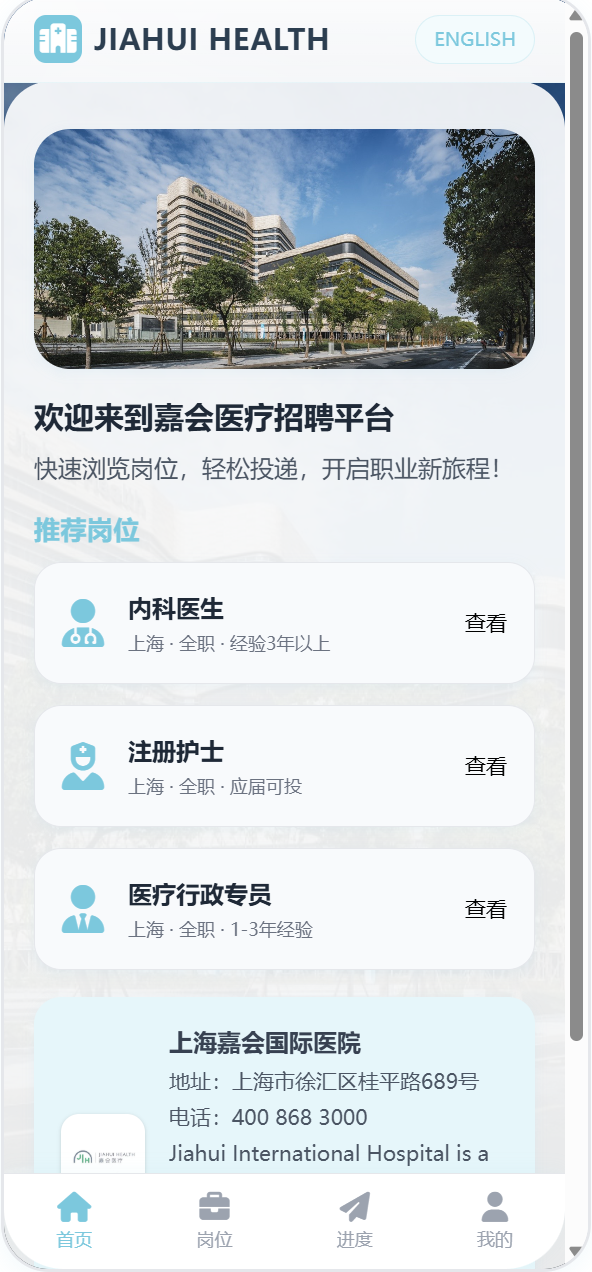
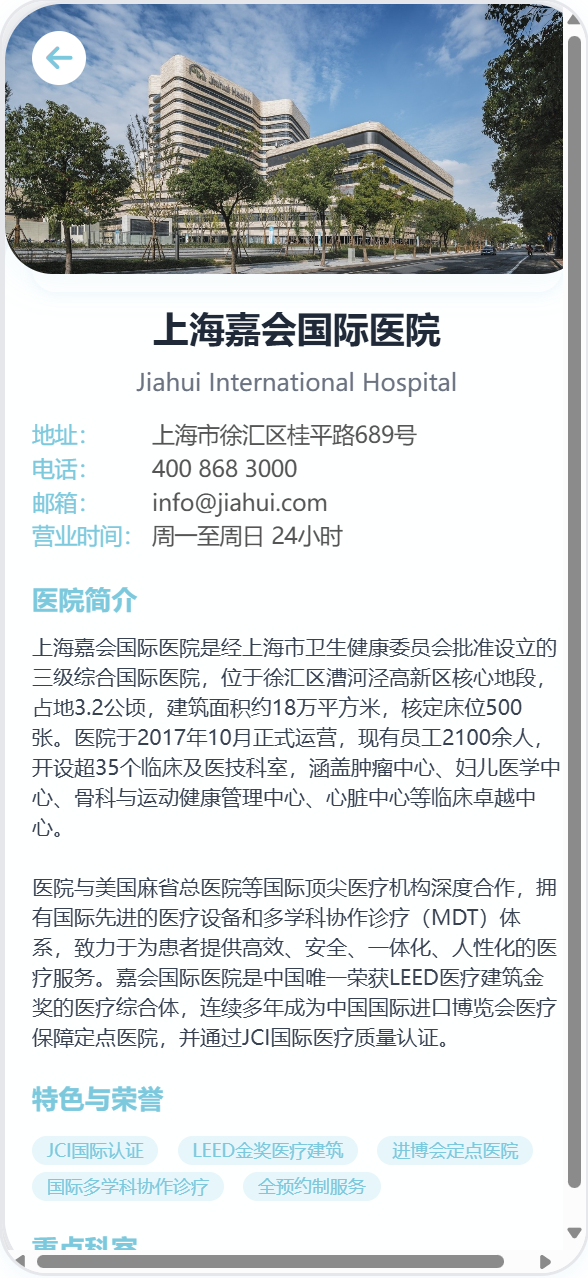
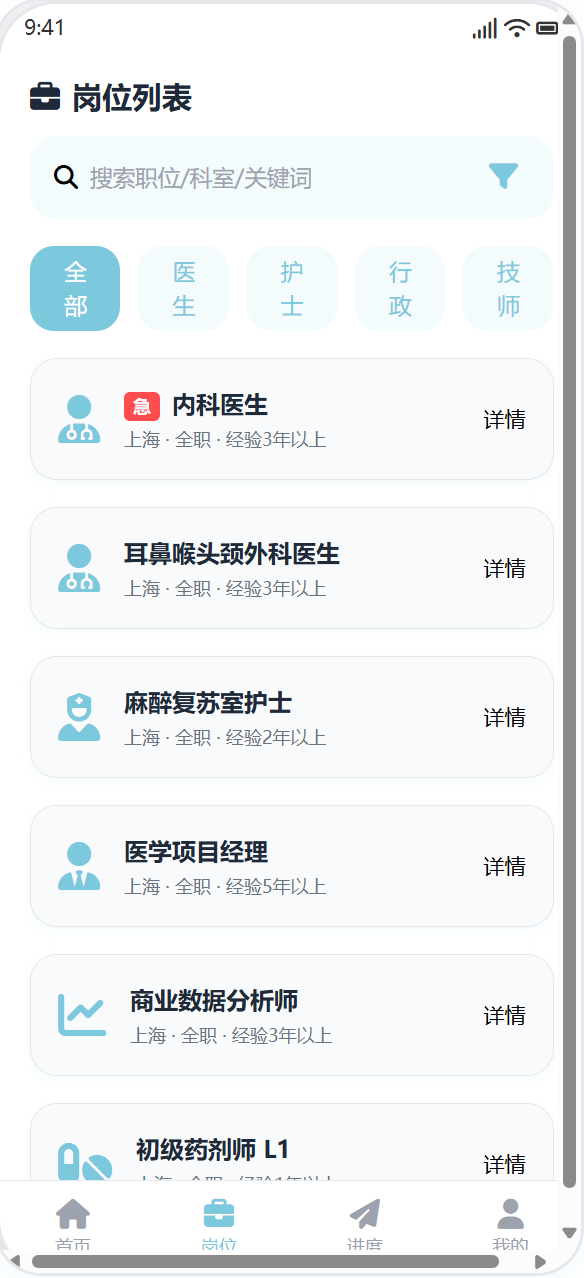
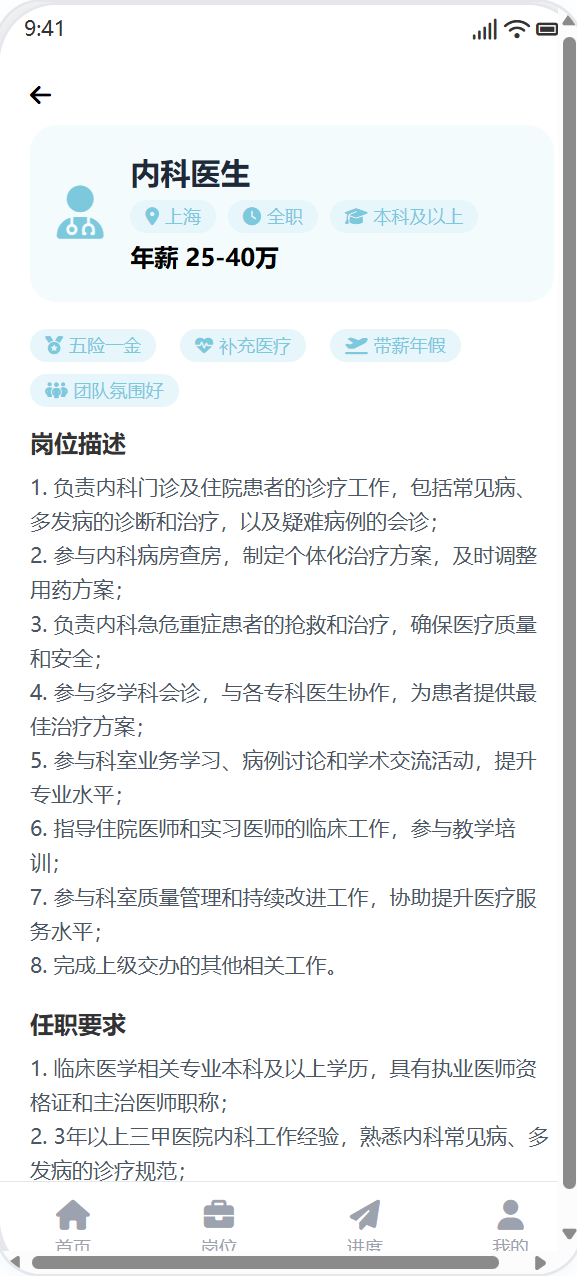
基于我在上海嘉会国际医院招聘运营实习中的岗位发布、简历筛选、面试流转与 offer / 入职状态回收等实践,我做了一次流程复盘,并将高频摩擦转译为一个虚拟 HR 招聘 SaaS 概念重设计。它不是对现有系统或内部访谈数据的复刻,而是基于招聘运营实践与流程复盘形成的概念方案。 A status-first HR SaaS concept redesign.
My Design Position
Research I Did
Key Insight
A recruitment SaaS is not a timeline.
It's a decision system that reduces uncertainty.
对 HR 来说,后台价值不是"看起来流程在走",而是让每个节点的状态可信、信息可用、下一步明确,从而降低协同与决策成本。
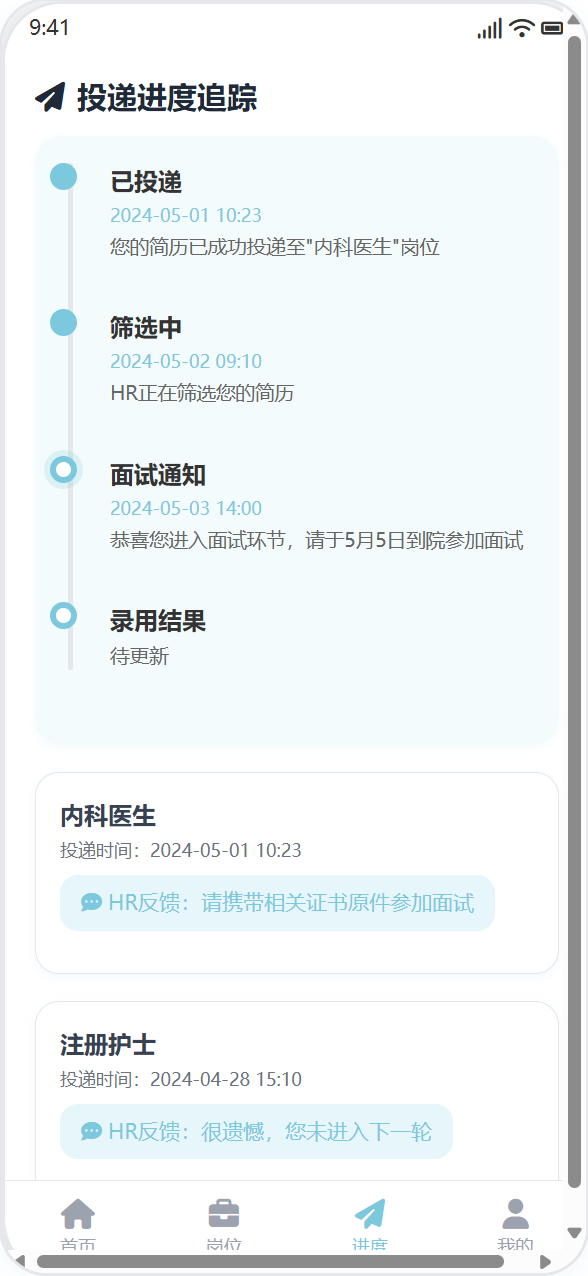
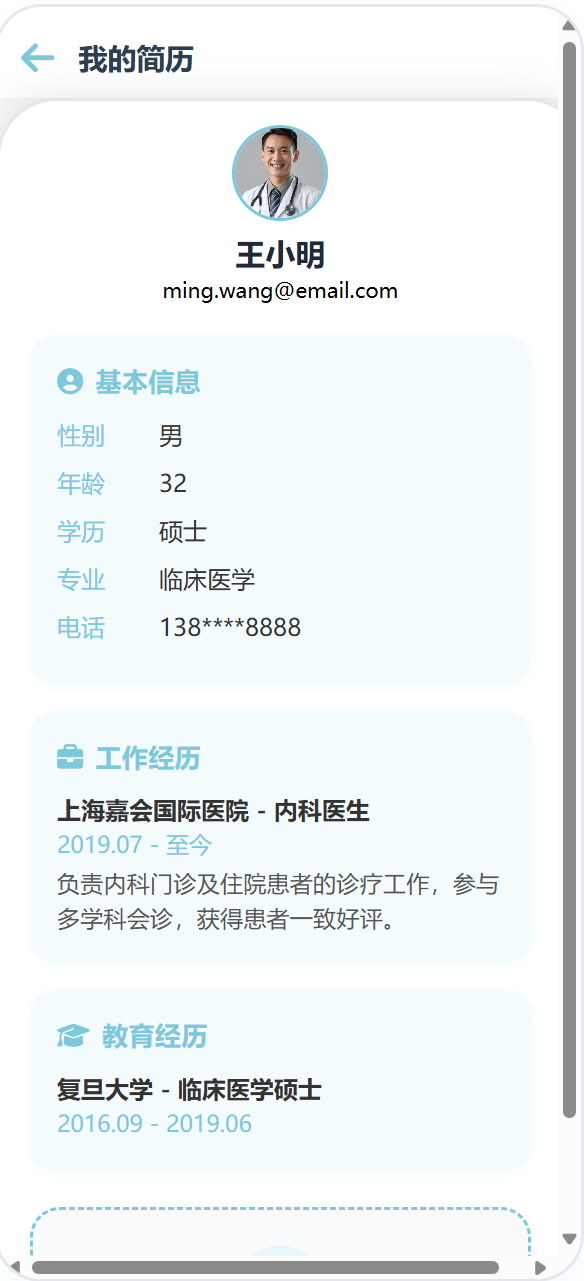
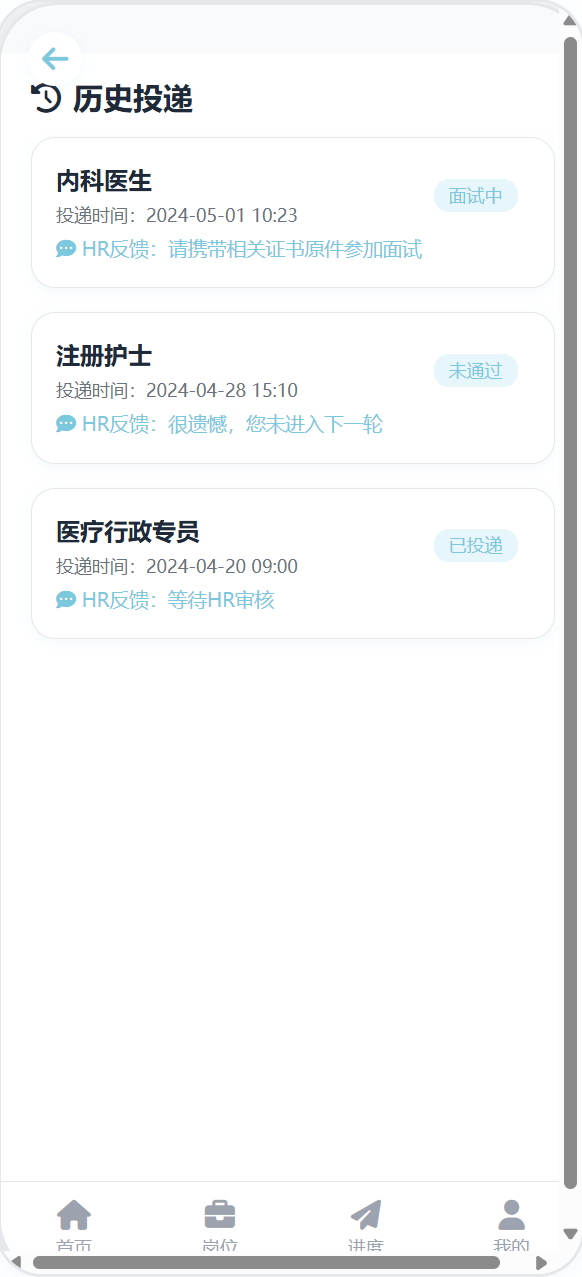
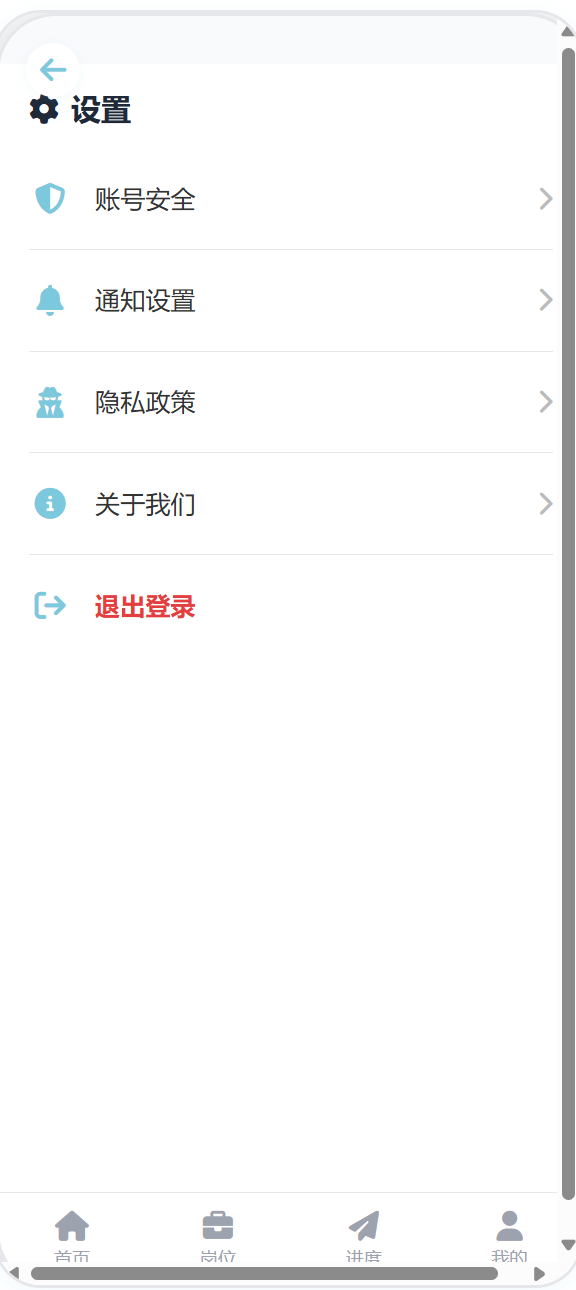
这个轻量级 App 原型不是正式产品,而是验证工具:候选人能否读懂当前进度、是否知道接下来会发生什么、反馈节奏是否稳定。它用来反向校验后台状态设计是否真的可被理解。 Candidate-side validation for back-office status logic.
A focused set of screens covering the core ops loop: job management, pipeline, candidate profile, interview ops, and handoff states. (覆盖高频任务链路:岗位、人才库、候选人档案、面试推进、状态回收与协同提示)
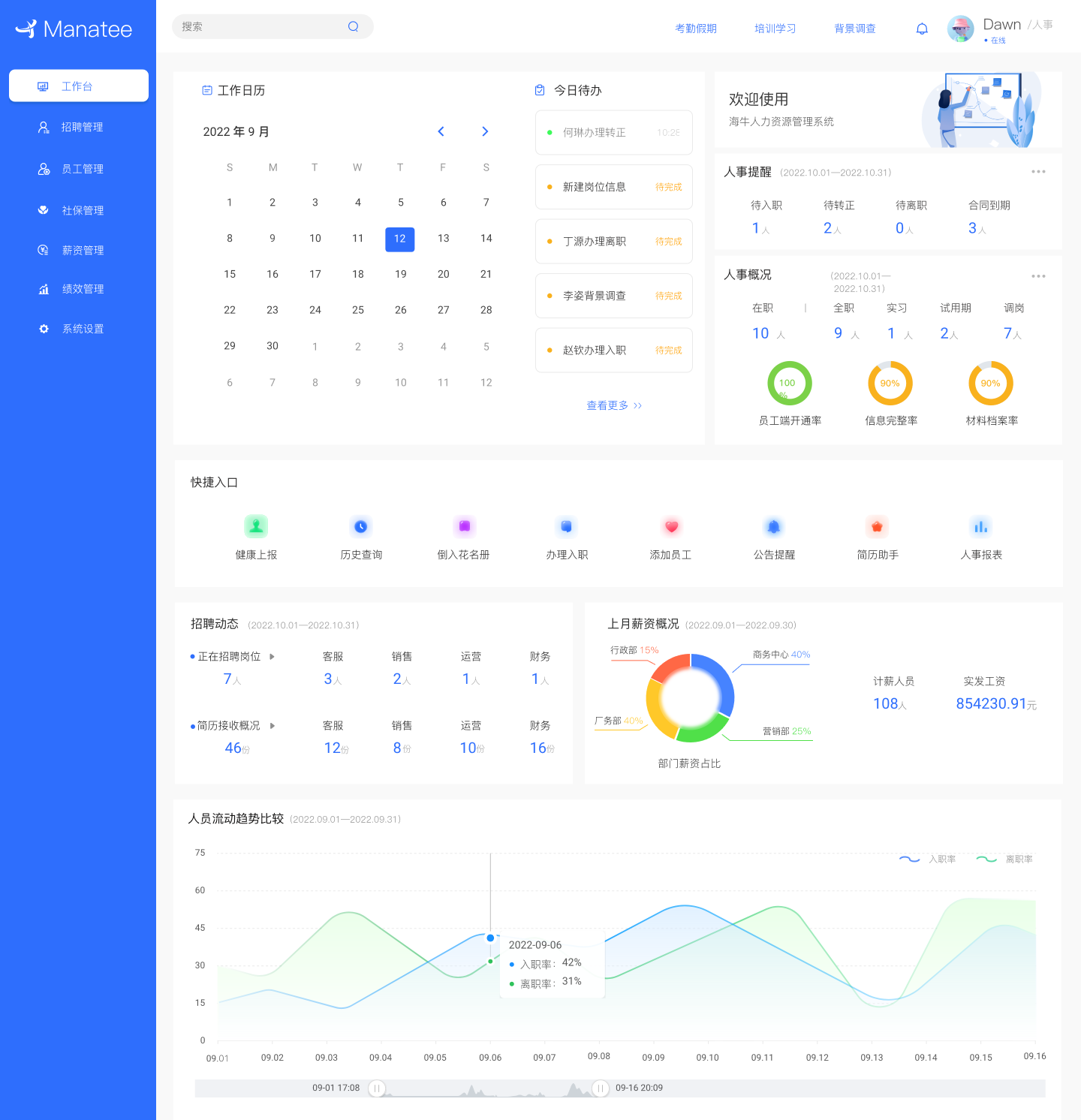
招聘运营需要先看清整体状态:待筛选、面试排期、关键提醒和数据概况放在同一张工作台里。
在一开始,我并没有直接进入界面设计,而是先回到招聘工作的本质:
为什么这个节点需要存在
为什么 HR 会在这里犹豫
为什么信息在系统中是"看得见但不好用的"
在形成系统结构后,我并没有直接假设方案成立,而是通过对比与拆解把规则写清楚。
我将状态设计视为一种内部沟通接口, 而不是单纯的视觉反馈。
I translated ops pain points into concrete UI rules: status taxonomy, field priority, batch actions, and collaboration cues.
把"难用"拆成可落地的规则:状态体系、字段优先级、批量操作、协同提示。
The design centers on a stable mental model: Pipeline → Candidate → Action → Feedback. Every screen supports clearer decisions for recruiting operations and hiring-side reviewers.
以稳定心智模型串起页面:流程 → 候选人 → 操作 → 反馈,服务招聘运营与用人侧的判断效率。
EPILOGUE · 结语
在这个医疗 UI 项目中,我关注的并不是界面是否"更丰富",
而是每一个结构、层级与反馈,是否真正减少了犹豫与误解。
医疗场景本身已经足够复杂,
设计的责任不是增加存在感,而是让关键信息自然浮现,
让人知道自己身在何处,接下来会发生什么。
这一章所呈现的,是我在 Interface 层面的核心立场:
让界面成为秩序,而不是干扰。
NAVIGATION